The story of Joplin
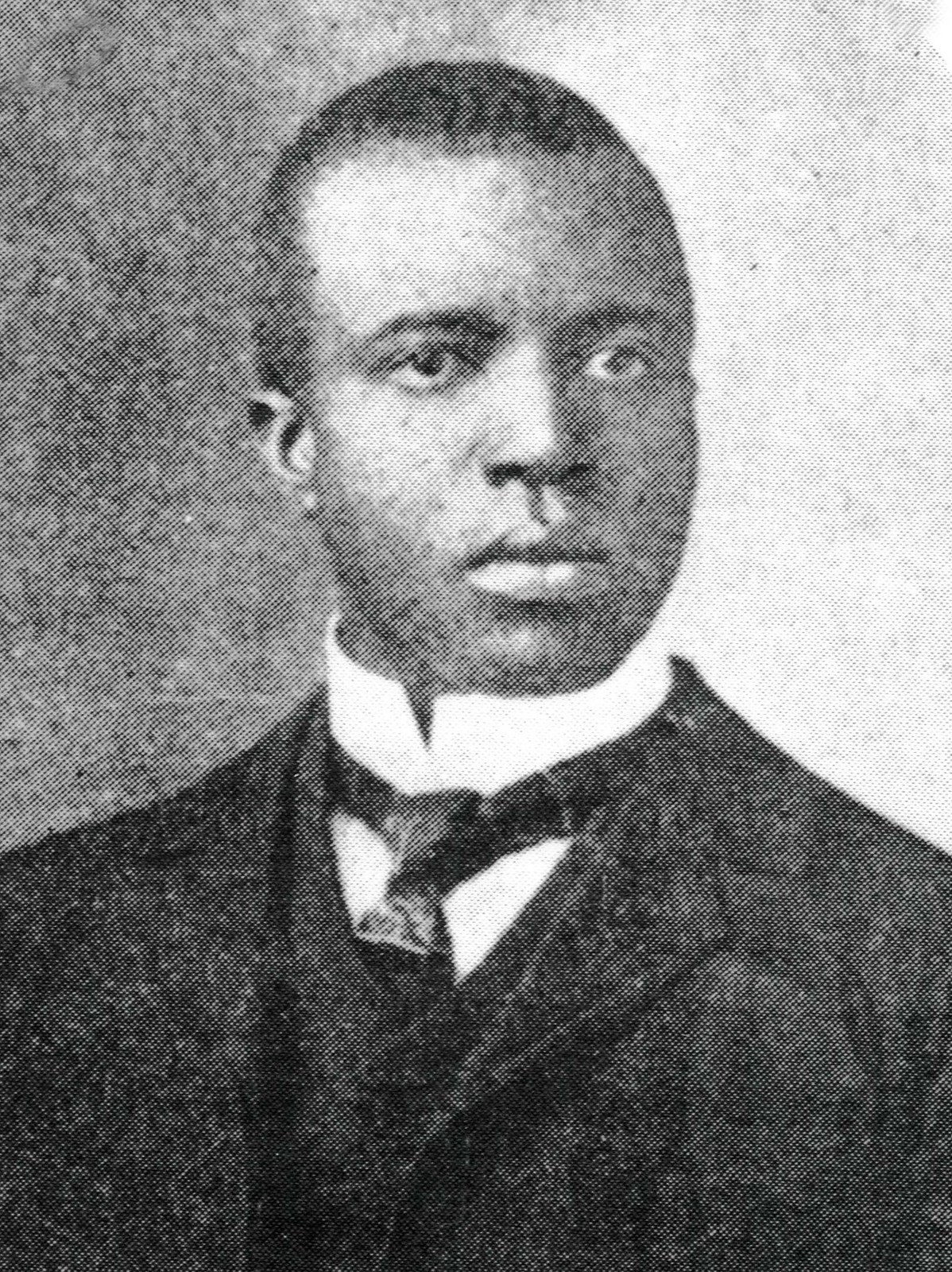
New York, 1911. A Black composer pays out of his own pocket to print a thick score: Treemonisha, an opera in three acts. He devoted his remaining years to getting it staged but never saw a proper production. This is the story of Scott Joplin, the "King of Ragtime."
The boy from Texas
Joplin was born around 1868 in Texas. His father, born into slavery and later freed, was a railroad laborer; his mother worked as a domestic. Growing up in Texarkana, the boy fell in love with music playing the piano in a house where his mother worked.
The person who recognized his talent was Julius Weiss, a music teacher from Germany. Weiss is said to have taught the poor boy piano and music theory without charge and told him about European opera. Joplin never forgot that kindness.
The traveling pianist
From his late teens Joplin roamed the cities of the American Midwest playing piano, in saloons, clubs and dance halls. In the 1890s he settled in Sedalia, Missouri, and studied music further at a college for Black students.
Ragtime
Ragtime was piano music that grew among Black musicians in the late nineteenth century. The left hand marches steadily; the right hand dodges the beat and skips off it. Joplin carefully refined this music, turning it from improvised saloon music into composed works that lived on paper. In 1908 he even published a method on how to play ragtime properly, warning again and again not to play it fast, since rushing ruins the flavor of the off-beats.
Maple Leaf Rag
In 1899 the Sedalia publisher John Stark brought out Joplin's "Maple Leaf Rag." It sold steadily for years and made his name known across America. He then moved to St Louis and published rag after rag, including "The Entertainer."
New York, and oblivion
Around 1907 Joplin moved to New York and threw himself into Treemonisha, the story of an educated girl in a freed Black community who leads her neighbors out of superstition and ignorance. But he could not find backers, and his health steadily declined. He died in New York in 1917, at about forty-eight. By then ragtime's vogue was already giving way to jazz.
Joplin's music was loved anew in the 1970s. "The Entertainer" was used in the film The Sting, reviving his name, and Treemonisha was at last properly staged. In 1976, nearly sixty years after his death, he received a special Pulitzer Prize.
Music to hear on Pyeongeum
- "Maple Leaf Rag"the twelfth stop on our Music Journey, the ragtime that opened the dawn of jazz.
- "The Entertainer" and "Solace."
After the lively "Maple Leaf Rag" and "The Entertainer," try the slow, lyrical "Solace." You can feel Joplin trying to widen ragtime from dance music into music that carries the heart.
People around him
- Julius Weissthe German-born teacher who taught a poor boy music without charge.
- John Starkthe publisher who issued "Maple Leaf Rag" with a contract paying Joplin a share per copy sold.
A question to think about
As a Black musician, Joplin hoped his music would be recognized as serious art, but that dream went unfulfilled in his lifetime. Without one teacher who noticed and taught him, his talent might never have bloomed.
If whether a child's talent blooms depends on the luck of meeting a good teacher, how can our society turn that luck into opportunity?
Pieces along a life
Each dot is a piece on Pyeongeumjae — tap one to open it. The year is whichever is confirmed: composed, completed, published or premiered.
Pieces by Joplin
- Combination Marchpublished 1896 · about 3 min
- Harmony Club Waltzpublished 1896 · about 6 min
- Maple Leaf Ragpublished 1899 · about 3 minMusic Journey · track 12
- Original Ragspublished 1899 · about 4 min
- Swipesy Cakewalkpublished 1900 · about 3 min
- Augustan Club Waltzpublished 1901 · about 4 min
- Peacherine Ragpublished 1901 · about 3 min
- Sunflower Slow Dragpublished 1901 · about 3 min
- A Breeze from Alabamapublished 1902 · about 4 min
- Cleophapublished 1902 · about 3 min
- Elite Syncopationspublished 1902 · about 3 min
- March Majesticpublished 1902 · about 3 min
- The Entertainerpublished 1902 · about 4 min
- Palm Leaf Ragpublished 1903 · about 4 min
- Something Doingpublished 1903 · about 3 min
- Weeping Willowpublished 1903 · about 3 min
- The Favoritepublished 1904 · about 3 min
- The Sycamorepublished 1904 · about 3 min
- Eugeniapublished 1905 · about 4 min
- Leolapublished 1905 · about 5 min
- The Rose-bud Marchpublished 1905 · about 3 min
- Antoinettepublished 1906 · about 3 min
- Gladiolus Ragpublished 1907 · about 3 min
- Heliotrope Bouquetpublished 1907 · about 3 min
- Lily Queenpublished 1907 · about 3 min
- Rose Leaf Ragpublished 1907 · about 4 min
- Searchlight Ragpublished 1907 · about 3 min
- The Nonpareilpublished 1907 · about 3 min
- Fig Leaf Ragpublished 1908 · about 4 min
- Pine Apple Ragpublished 1908 · about 3 min
- Sugar Canepublished 1908 · about 3 min
- Euphonic Soundspublished 1909 · about 3 min
- Paragon Ragpublished 1909 · about 3 min
- Pleasant Momentspublished 1909 · about 3 min
- Felicity Ragpublished 1911 · about 3 min
- Magnetic Ragpublished 1914 · about 4 min
- Silver Swan Ragpublished 1914 · about 3 min
- Reflection Ragpublished 1917 · about 4 min
Composers of the same age
People whose lives overlapped with Joplin's by more than ten years