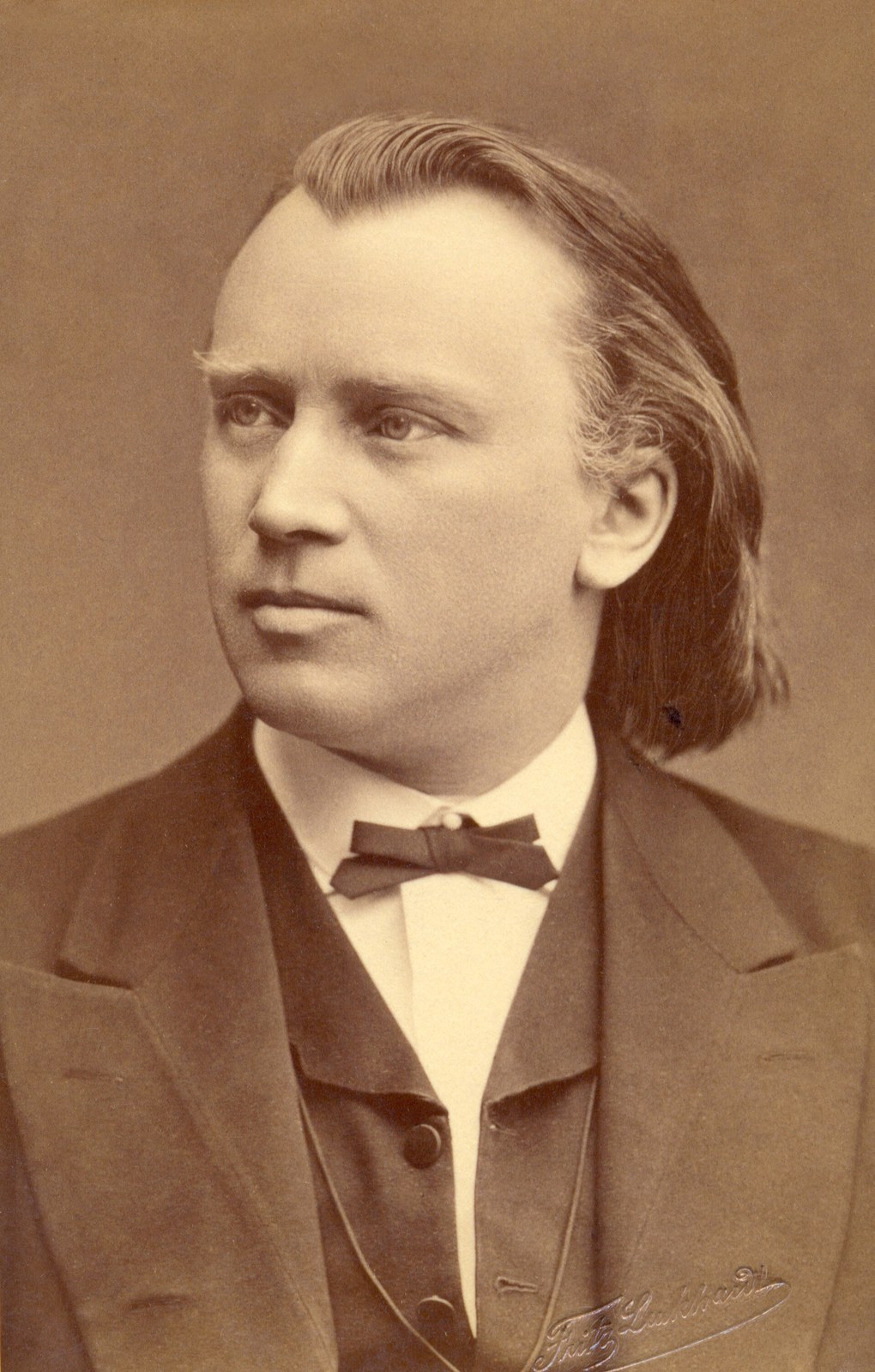
The story of Brahms
Autumn 1853, Düsseldorf. A blond twenty-year-old sits at the Schumanns' piano and plays his own music. Schumann noted the visit briefly in his diary, and a few weeks later published an article in a music magazine presenting this unknown young man as the musician of a new age. It was the moment Johannes Brahms's name became known to the world.
The boy from Hamburg
Brahms was born in 1833 in Hamburg, a port city in northern Germany. His father was a poor musician who played double bass and horn. Showing a gift for the piano, young Brahms studied Bach and Beethoven deeply with a good teacher, and from his teens helped support the family through lessons and playing.
Violinist friends
In 1853 he set off on a concert tour as accompanist to the Hungarian violinist Reményi. On the way he met Joseph Joachim, among the leading violinists of the day, and through Joachim's introduction visited the Schumanns. Joachim became a lifelong friend and later gave the first performance of Brahms's Violin Concerto.
Beside Clara
A few months after Schumann introduced Brahms to the world, Schumann entered an asylum with mental illness. Brahms stayed in Düsseldorf and helped Clara and the children. From then on Brahms and Clara were each other's closest musical friend for life. Whenever Brahms wrote a new piece, he showed it to Clara first and asked her opinion.
Vienna, and the first symphony
In the early 1860s Brahms moved to Vienna and settled there. The success of his German Requiem in 1868 made him the leading composer of the German-speaking world. His Hungarian Dances, published in 1869, sat on pianos in homes everywhere.
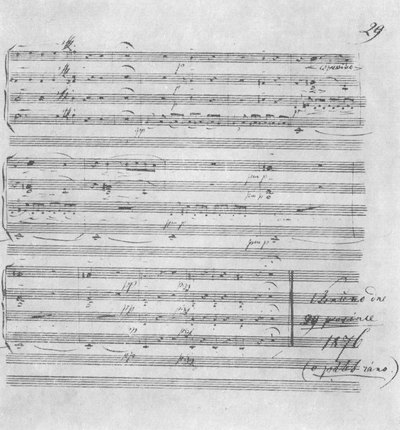
But a symphony he could not easily release. He is said to have always heard the footsteps of a giant, Beethoven, behind him. He revised his First Symphony again and again for nearly twenty years before premiering it in 1876, at forty-three. After that he produced three more symphonies relatively quickly.
Vienna's musical world was then sharply divided between followers of Wagner and those who held up Brahms: one side championed new forms and vast music drama, the other the depth of older forms like the symphony and chamber music. Brahms himself, it is said, stayed largely out of the fight and quietly wrote his music.
The end
Brahms never married. He lived in modest rented rooms in Vienna, rising early to brew coffee and enjoying walks, it is said. Clara died in May 1896, and Brahms died in Vienna the following April, at sixty-three.
Music to hear on Pyeongeum
- Hungarian Dance No. 5the ninth stop on our Music Journey, originally a dance for two players at one piano.
- Symphony No. 3, third movement; the Lullaby; and Intermezzo Op. 118 No. 2.
Hearing the fun of the Hungarian Dance, the tenderness of the Lullaby and the deep longing of the Intermezzo in turn, you see Brahms's many faces.
People around him
- Robert and Clara Schumann: the mentor who introduced him to the world, and his closest musical friend for life.
- Joseph Joachimviolinist and lifelong friend, who premiered his Violin Concerto.
- Eduard HanslickVienna's famous critic, who championed Brahms's music.
A question to think about
Schumann introduced an unknown young man to the world, and Brahms then stood by Schumann's family. It was a relationship of passing help back. Today people in many fields speak of how important it is for seniors and mentors to open doors for the young.
How should we repay help received from those who came before us? Must we return it to them, or may we pass it on to those who come after?
Pieces along a life
Each dot is a piece on Pyeongeumjae — tap one to open it. The year is whichever is confirmed: composed, completed, published or premiered.
Pieces by Brahms
Composers of the same age
People whose lives overlapped with Brahms's by more than ten years