The story of Massenet
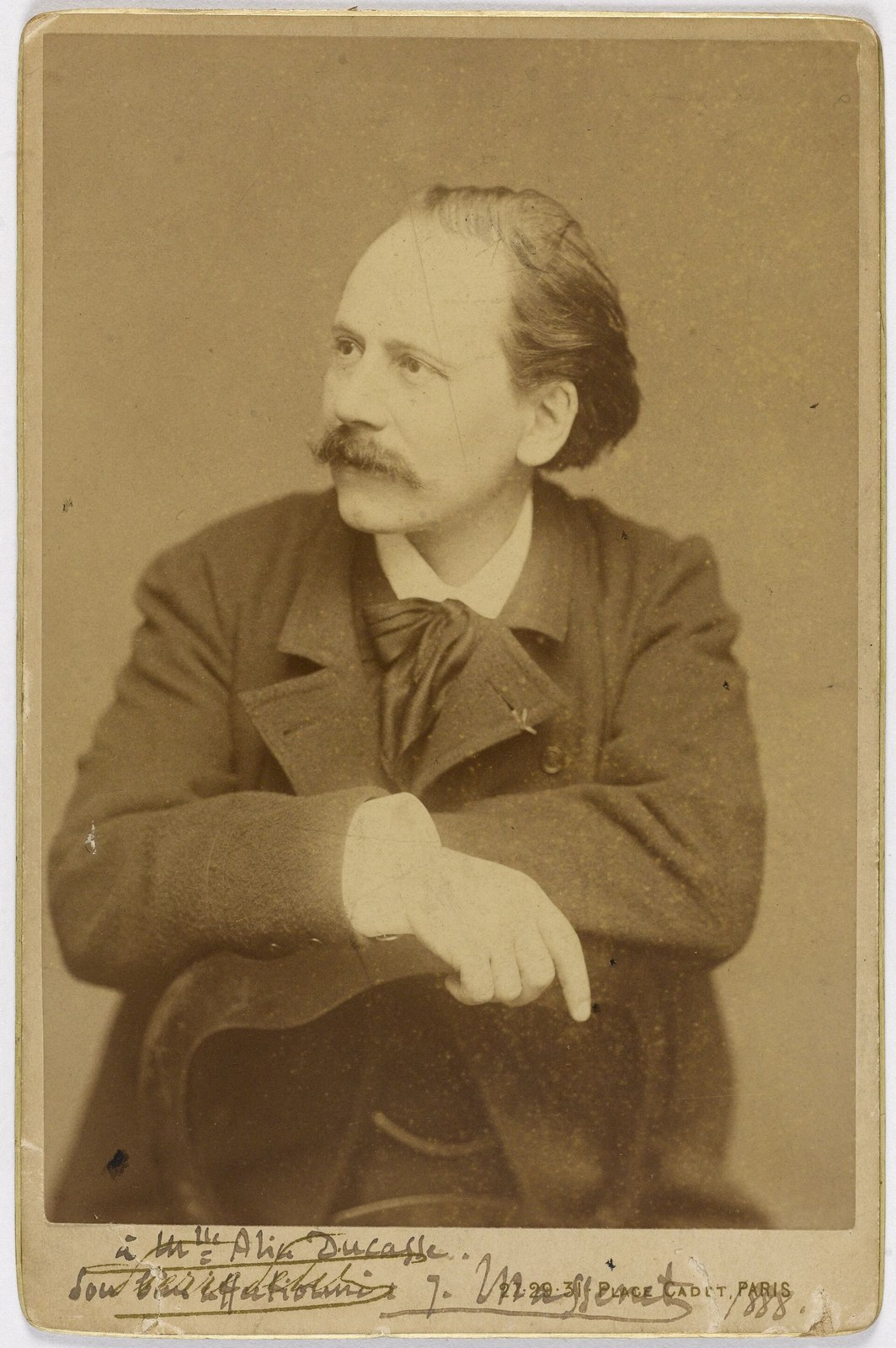
A Paris theater around 1860. At the very back of the orchestra a young man is beating the timpani. By day he studies composition at the Conservatoire; by night he works in theater orchestras like this one to pay his living costs. Watching the singers on stage night after night, he will one day write close to thirty operas for that very stage. His name is Jules Massenet.
A Conservatoire student at eleven
Massenet was born in 1842 in Montaud, near Saint-Étienne in France. After the family moved to Paris, it was his mother who taught him the piano. He entered the Paris Conservatoire at eleven. There was a time when family troubles forced him to pause his studies, but he came back and studied composition with Ambroise Thomas.
Timpani at the back of the theater
To pay for his studies and living costs, he played piano in cafés and took the timpani part in theater orchestras. Those nights in the theater became a school of their own. He learned firsthand at which moments an audience holds its breath, and how a singer's voice fills a hall.
The Prix de Rome and Liszt
In 1863 Massenet won the Prix de Rome, a major prize for young composers that allowed the winner to study for several years at the Villa Medici in Rome. In Rome he met Liszt, who introduced him to a young woman who wanted piano lessons. Massenet married that pupil, Ninon, in 1866.
The Paris opera stage
Back in Paris, Massenet served in the National Guard during the war of 1870. Then in 1877 the success of his opera The King of Lahore made his name. Manon, in 1884, the story of a young woman who dreams of a glamorous life and falls, won great affection, and Werther, first staged in Vienna in 1892, brought Goethe's novel to the opera house. Both are still often performed in opera houses around the world. He took great care with the flow of sung words, so that dialogue turned naturally into melody.
Thaïs and the Méditation
Thaïs, from 1894, tells of Thaïs, a celebrated woman of ancient Alexandria in Egypt, and a monk who tries to lead her to faith. Massenet wrote it for the American soprano Sibyl Sanderson. Between two scenes of the second act, while Thaïs is alone reflecting on her life, a solo violin plays. That is the Méditation.
The Conservatoire teacher
From 1878 Massenet taught composition at the Paris Conservatoire. Composers such as Gustave Charpentier, Reynaldo Hahn and Gabriel Pierné grew up in his class. He was a hard worker, and it is said he began his day very early in the morning. Late in life he wrote a memoir, My Recollections, and he died in Paris in 1912.
Music to hear on Pyeongeum
- ThaïsMéditation: a violin sings a long line over gently supporting harp and strings.
There are no words, but this violin is one person's inner voice. When the melody rises and wavers in the middle, then returns to the calm song of the beginning, imagine which way Thaïs's heart has turned.
People around him
- Ambroise Thomashis teacher at the Conservatoire.
- Franz Lisztthe musician he met in Rome, who introduced him to his future wife.
- Sibyl Sandersonthe soprano who first sang the title role of Thaïs.
A question to think about
Massenet played timpani in theater orchestras to earn his living, and those nights taught him how a stage works. Today, too, many students combine study with part-time jobs.
Does work done to make a living only delay a dream, or can it also teach what the dream needs? What conditions would make that kind of learning possible?
Composers of the same age
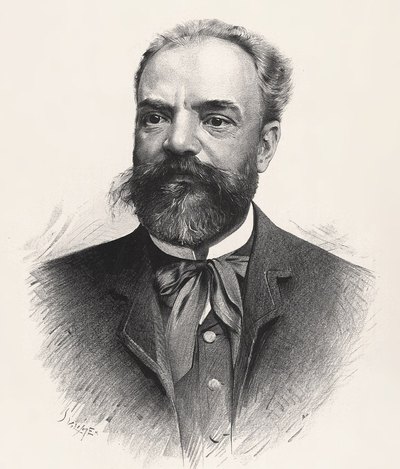
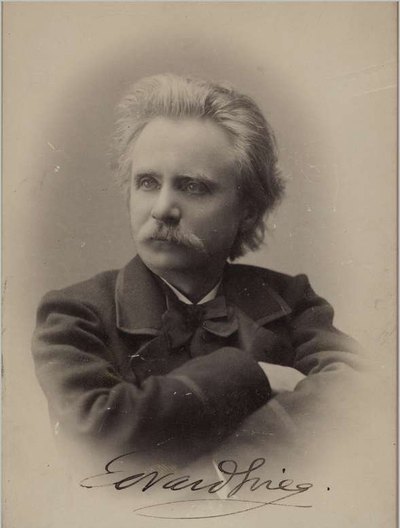
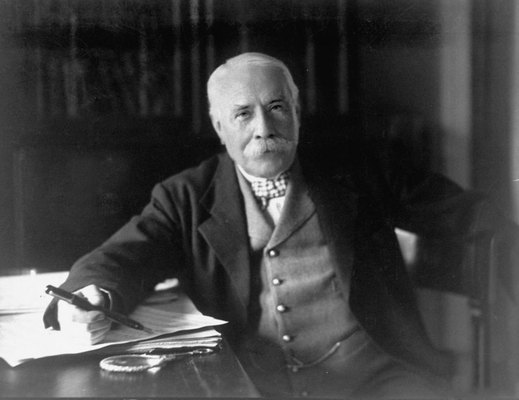
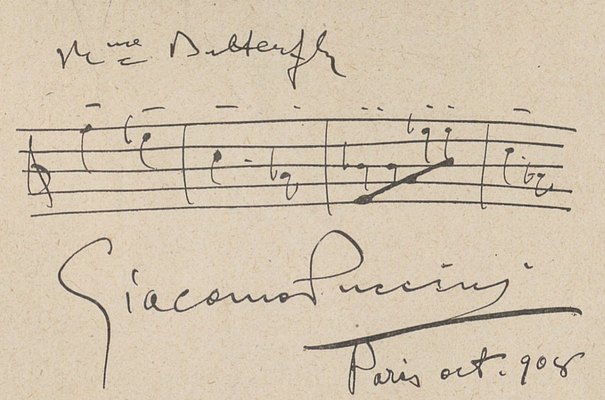
People whose lives overlapped with Massenet's by more than ten years