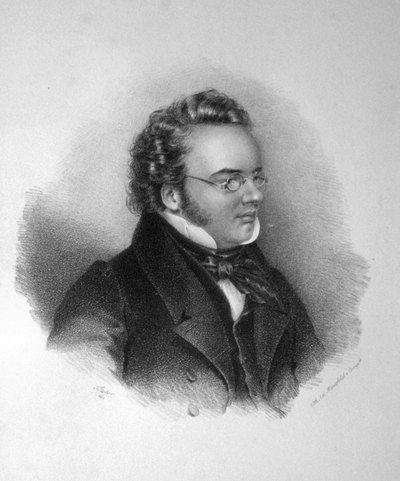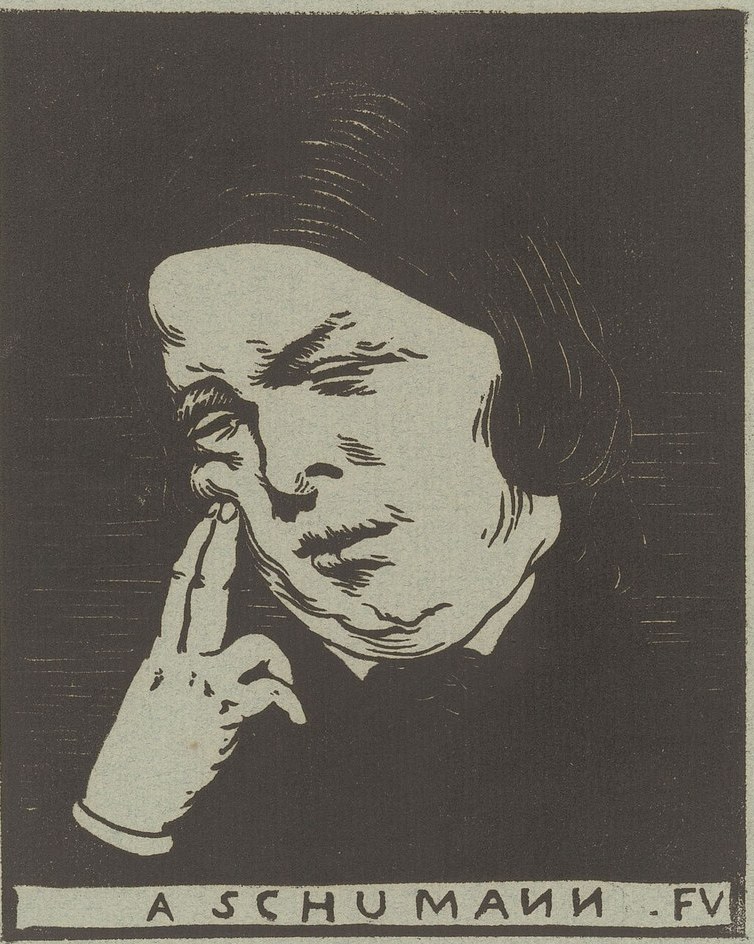
The story of Schumann
1834. A young man in Leipzig founds a music magazine. In it two writers, "Florestan" and "Eusebius," take turns, but both are the same person, his passionate self and his dreaming self split into two characters. This is Robert Schumann.
The bookseller's son
Schumann was born in Zwickau, Germany, in 1810, into a family of booksellers and publishers. From childhood he loved books and literature, and novels and poetry cast a long shadow over his music all his life. At his mother's wish he studied law in Leipzig and Heidelberg, but his heart was in music.
The injured hand
Around twenty, Schumann gave up law and moved into the house of Friedrich Wieck, Leipzig's famous piano teacher, to study piano. His dream was to become a pianist. But a few years later a problem with the fingers of his right hand forced him to abandon that dream. From then on he poured his energy into composing and writing about music.
The magazine and young composers
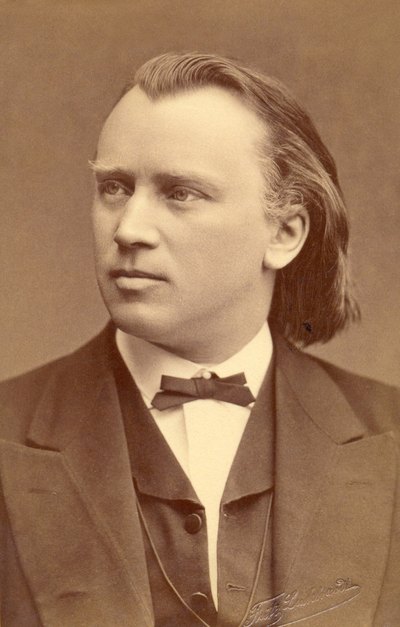
The magazine he founded in 1834 criticized stale tastes and championed new music. It was Schumann who warmly introduced Chopin's early works. Later, in 1853, he wrote an article presenting an unknown twenty-year-old, Brahms, to the world and opened the way for him.
Clara and the year of song
Wieck's daughter Clara had been a famous pianist across Europe since childhood. Schumann and Clara fell in love, but Wieck fiercely opposed the marriage. After a court battle they were able to marry in 1840. That year Schumann poured out more than a hundred songs, which is why 1840 is called his "year of song." Symphonies, a piano concerto and chamber music followed.
A dark ending
Schumann suffered from mental illness from his youth. In 1850 he became music director in Düsseldorf but struggled as a conductor, and his illness deepened. In February 1854 he threw himself into the Rhine, was rescued, and entered an asylum of his own accord. Two years later, in 1856, he died there at forty-six. Clara went on performing for more than forty years, bringing her husband's music to the world.
Music to hear on Pyeongeum
- "Träumerei" from Scenes from Childhood: the eighth stop on our Music Journey, a grown-up's dream of childhood.
- Piano Concerto in A minor: built on a fantasy he first wrote for Clara.
Hearing the small piano piece and the large concerto together, you sense that Schumann always carried poetry with him, whether painting a tiny scene or leading a large story.
People around him
- Clara Schumannhis wife, among the leading pianists of her time and a composer, who did more than anyone to bring his music to the stage.
- Friedrich Wieckhis piano teacher and father-in-law, who opposed the marriage all the way to court.
- Johannes Brahmsthe young composer Schumann introduced to the world, who stood by Clara's family while Schumann was in hospital.
- Felix Mendelssohna colleague in Leipzig.
A question to think about
Schumann suffered from mental illness for many years, in an era with almost no means of understanding or treating it properly. Medicine has advanced greatly since, yet people with mental illness still face prejudice.
For people with mental illness to seek treatment without shame and carry on with their work, what should our society change first?
Composers of the same age
People whose lives overlapped with Schumann's by more than ten years