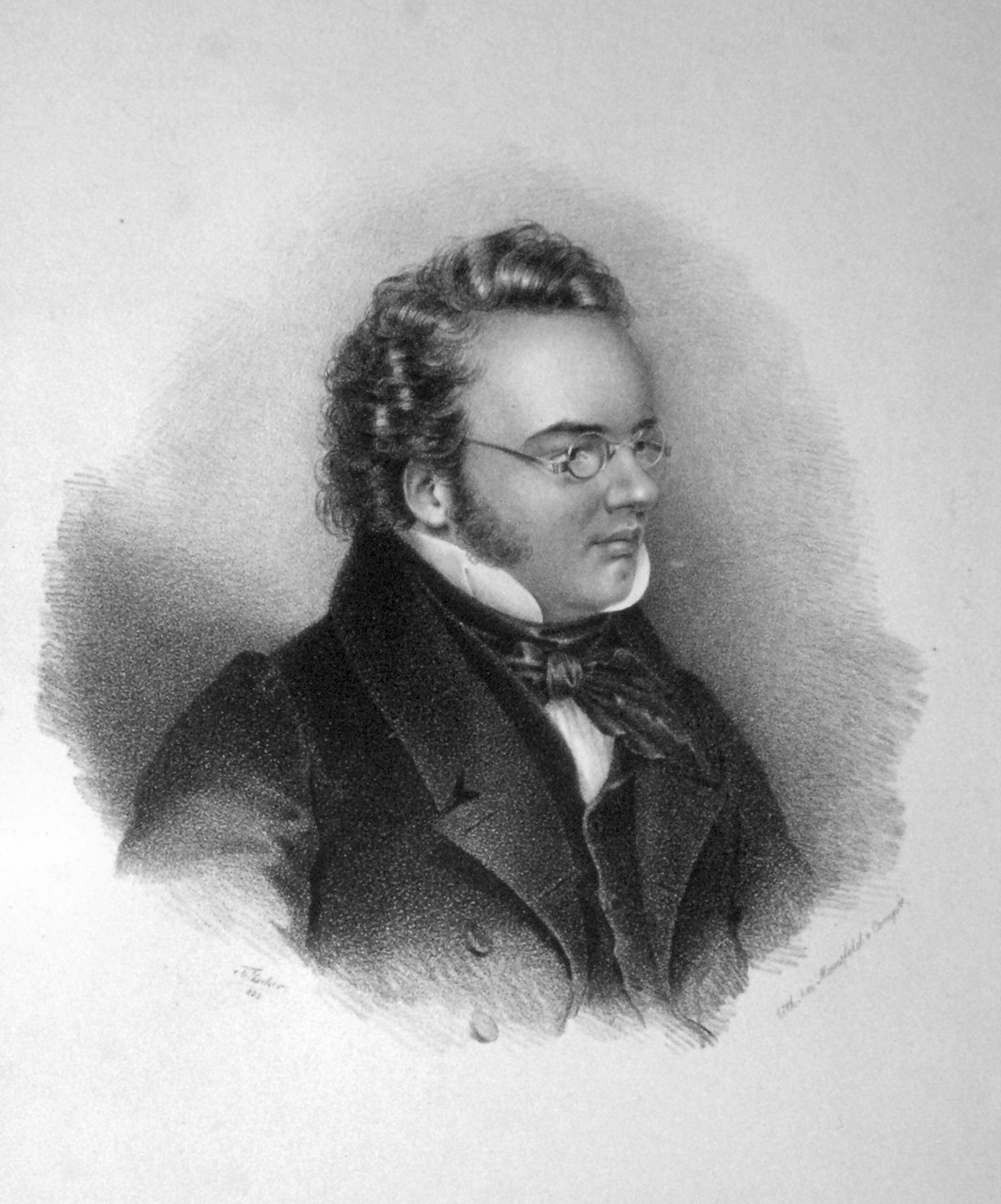
The story of Schubert
A living room in Vienna. Friends gather, and a short young man in spectacles sits at the piano. A singer performs his new song, someone reads a poem, and laughter carries on late into the night. His friends named these gatherings after him: "Schubertiades." This is Franz Schubert.
The schoolmaster's son
Schubert was born in 1797 in a suburb of Vienna, the son of a schoolteacher. He learned instruments from his father and brother, and thanks to his clear voice he became a choirboy of the court chapel at eleven, studying at its boarding school. There he studied composition with the court composer Antonio Salieri.
After school he worked as an assistant teacher at his father's school, but his heart was always in composing. At seventeen he set Goethe's "Gretchen am Spinnrade," and the next year "Erlkönig." In 1815 alone he reportedly wrote more than a hundred songs.
Among friends
Schubert never obtained a fixed position. He applied for posts as a court or church musician and was turned down time after time. What he had instead was friends: poets, painters, lawyers and singers who gave him rooms, introduced his music to publishers and sang his songs. The celebrated singer Johann Michael Vogl did much to spread his songs.
Poems into song
Schubert's songs began with reading poems. He set great poets such as Goethe and Schiller, and his friends' poems too. The piano was never mere accompaniment: it painted a spinning wheel, a galloping horse, a running brook, and became part of the story.
He also wrote song cycles, linking several poems by one poet into a single story, most famously Die schöne Müllerin and Winterreise, both to poems by Wilhelm Müller. When he first played Winterreise, the tale of a jilted young man walking alone through winter, to his friends, they were reportedly startled by its darkness.
A short, busy end
From the mid-1820s Schubert suffered a serious illness, and his health declined badly. Yet in his last years he poured out profound works: the song cycle Winterreise, a great symphony, the string quintet and his last three piano sonatas. In 1827 he carried a torch at the funeral of Beethoven, whom he revered, and in March of the next year he gave the first and only public concert devoted to his own works.
Eight months later, in November 1828, Schubert died at thirty-one. As he wished, he was buried near Beethoven. Many of his works were discovered and published only decades later. The "Unfinished" Symphony was first performed thirty-seven years after his death.
Music to hear on Pyeongeum
- Piano Quintet "The Trout," fourth movement: the sixth stop on our Music Journey.
- Ave Maria, Ständchen (from Schwanengesang), Impromptu No. 3, and the "Unfinished" Symphony.
Listening to songs, piano pieces and a symphony together, you can hear that he wrote as if singing, even in piano music and symphonies.
People around him
- Johann Michael Voglthe celebrated singer who made Schubert's songs known on stage.
- Franz von Schober and Joseph von Spaun: friends who gave him rooms and championed his music.
- Anselm Hüttenbrennerthe friend who kept the score of the "Unfinished" Symphony for decades.
A question to think about
Schubert never found a steady job, but with his friends' help he could keep composing. Many young artists today likewise make work without a regular job, relying on people around them and juggling several jobs.
If a talented person can continue their work only by relying on friends and family, what happens to those who have no such help?
Pieces by Schubert
Hidden stories about Schubert
Composers of the same age
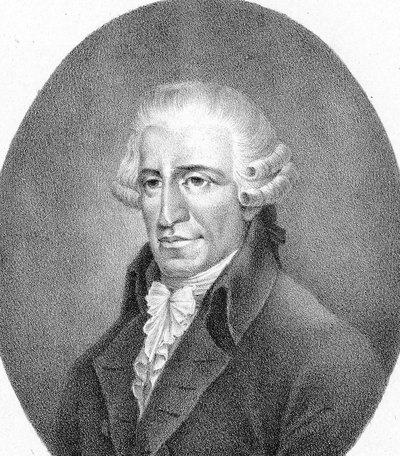
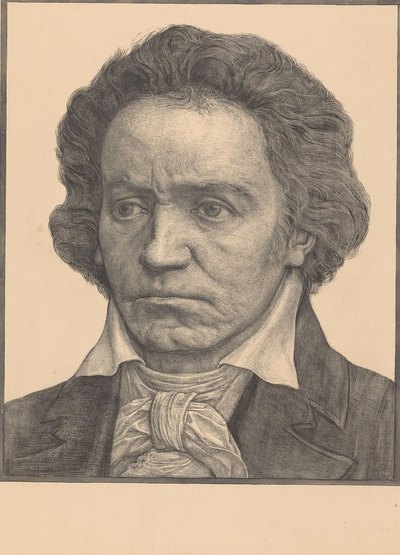
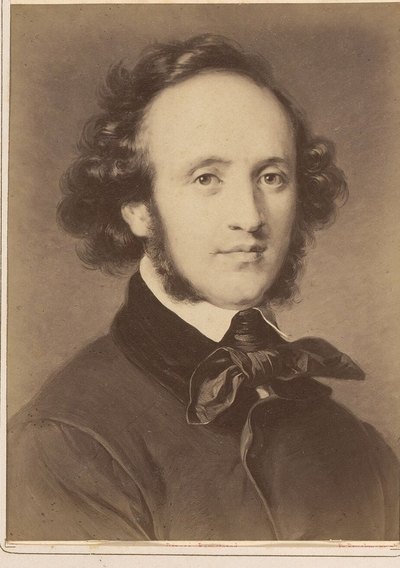
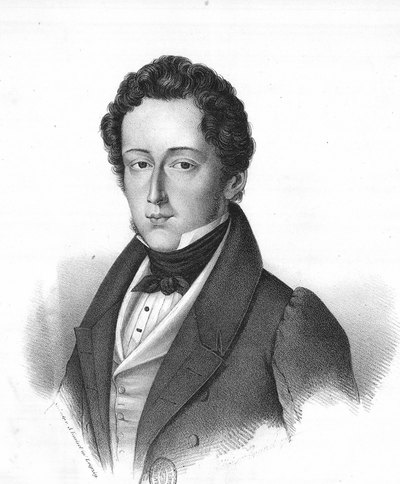
People whose lives overlapped with Schubert's by more than ten years