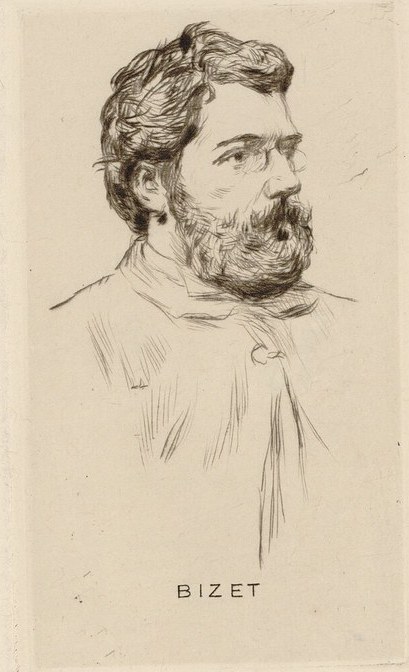
The story of Bizet
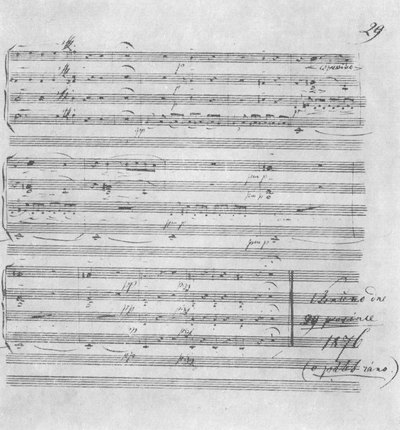
1933. In the stacks of the Paris Conservatoire library, a bundle of old manuscripts turns up: a symphony written by a seventeen-year-old student. Its composer never had it performed, and for nearly eighty years no one knew it existed. First played two years later, this bright symphony belonged to Georges Bizet.
A prodigy from a musical family
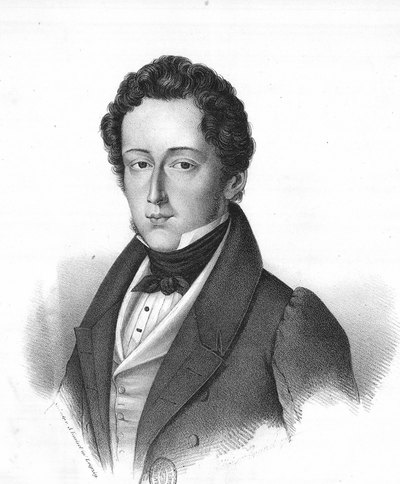
Bizet was born in Paris in 1838. His father taught singing and his mother played the piano. Showing astonishing talent from early childhood, he entered the Paris Conservatoire before he was ten. He was a superb pianist, and Liszt reportedly praised his playing.
The Prix de Rome
At the Conservatoire he studied composition with the opera composer Fromental Halévy, and at seventeen wrote that symphony. In 1857 he won the Prix de Rome, the dream of young composers, and spent several years in Rome, whose sunlight and scenery he loved.
Operas that didn't succeed
Back in Paris, Bizet longed to make his name as an opera composer. But his operas, including The Pearl Fishers of 1863, did not achieve great success. To make a living he had to work hard arranging other people's music for piano and giving lessons.
In 1869 he married Geneviève, daughter of his teacher Halévy. When war with Prussia broke out the next year, he even joined the National Guard defending Paris. In 1872 he wrote music for the play L'Arlésienne; the play failed, but the suites drawn from its music became popular.
A Carmen by someone who never saw Spain
Carmen, based on Prosper Mérimée's novella, is set in Seville, Spain. Yet Bizet had never been to Spain. He studied Spanish songbooks and scores, learning the rhythms of dances such as the habanera and seguidilla. The Spain he painted from imagination became one of the images of Spanish music people around the world still picture today.
Carmen
In March 1875 Bizet's opera Carmen premiered at the Opéra-Comique in Paris: a free-spirited cigarette-factory worker, a soldier blind with jealousy, a death on stage. In a theater with many family audiences, the story was criticized as too coarse, and the reception was cool.
The end at thirty-six
In June 1875, three months after the premiere, Bizet died suddenly at Bougival near Paris, aged thirty-six. That autumn Carmen was a great success in Vienna, and it went on to become one of the most often performed operas in the world. Bizet never saw that success.
Music to hear on Pyeongeum
- The "Habanera" from Carmen: the song in which Carmen first introduces herself, her melody slipping down by half steps.
Afterwards, look up the opera's overture and the "Toreador Song" too.
People around him
- Fromental Halévyhis teacher at the Conservatoire and his father-in-law.
- Charles Gounodthe older composer the young Bizet admired and learned much from.
- Célestine Galli-Mariéthe first Carmen, who refined the "Habanera" with Bizet.
A question to think about
Bizet's Carmen was first attacked as too coarse and immoral, yet today it is loved as a powerful heroine singing of freedom. Stories that make one era uncomfortable often win sympathy in the next.
When a story is pushed off the stage for being "uncomfortable," is the discomfort a problem with the work, or with the society of its time?
Hidden stories about Bizet
Composers of the same age
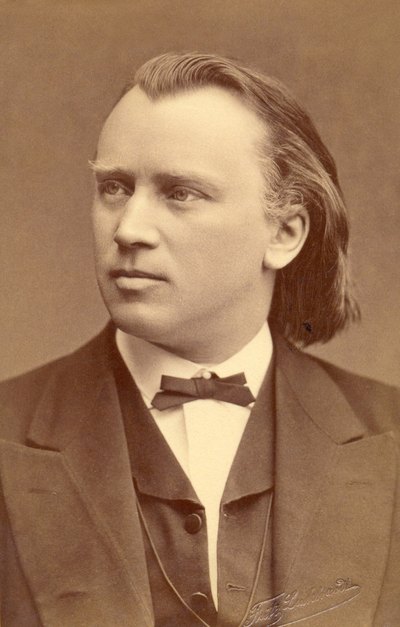
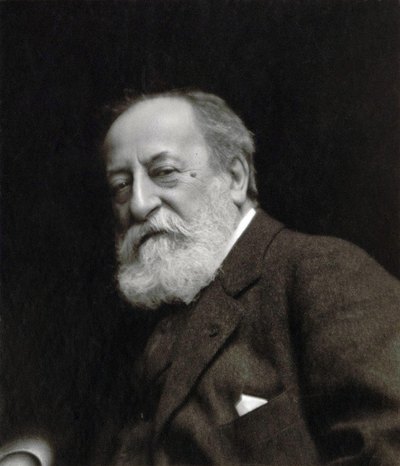
People whose lives overlapped with Bizet's by more than ten years