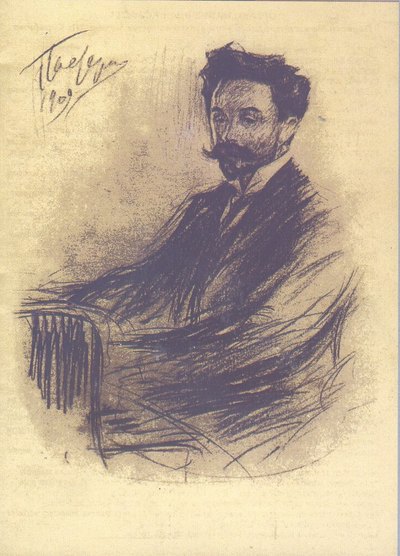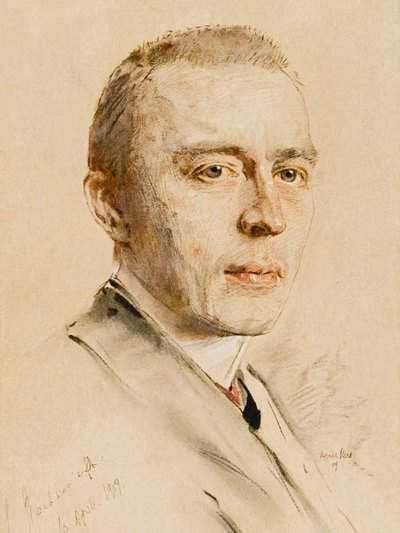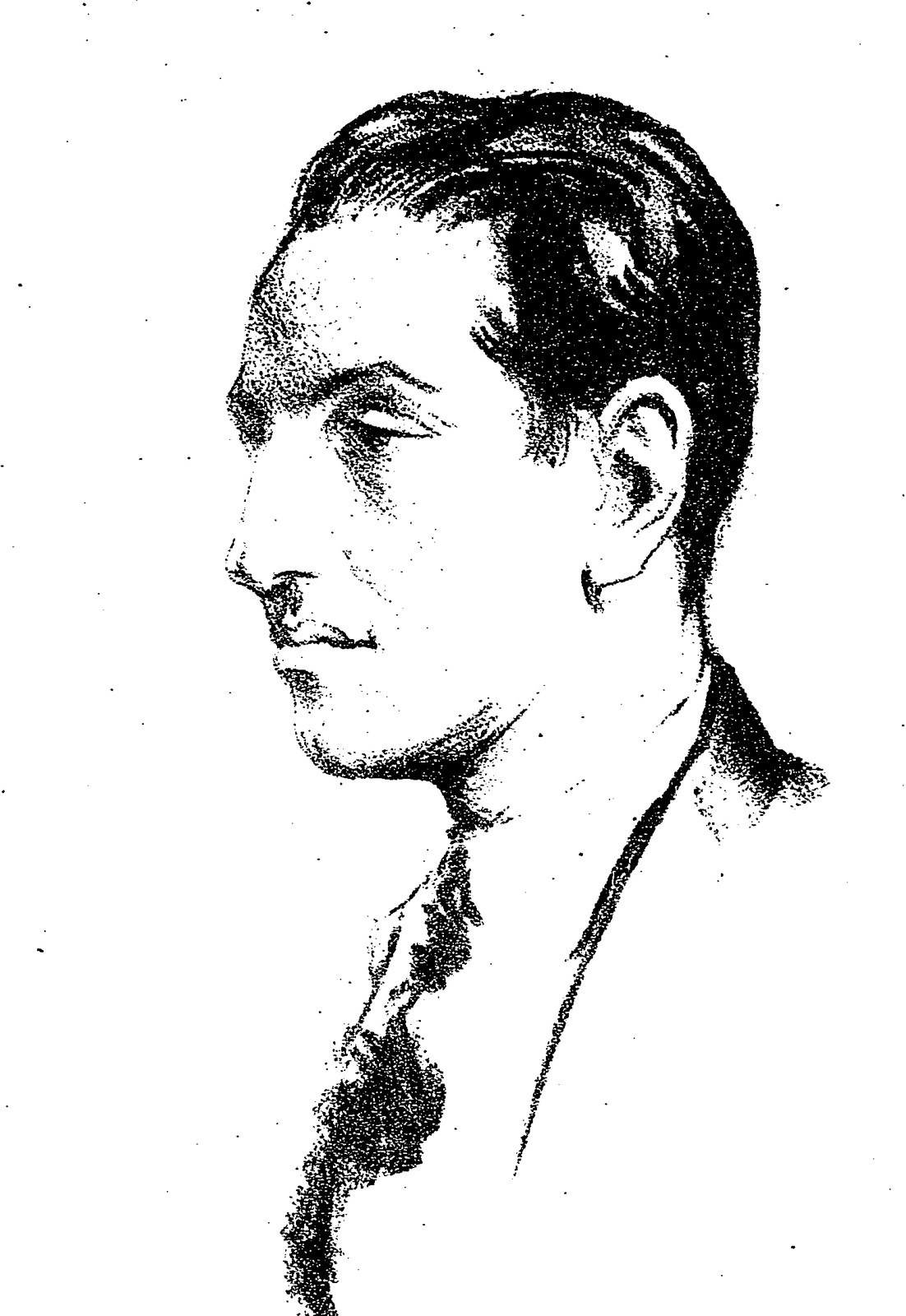
Composers · 20th Century
George Gershwin
George Gershwin
- Life
- 1898–1937
- Born in
- Brooklyn, New York, USA
- Era
- 20th Century
The story of Gershwin
1910. A second-hand piano is hoisted into a New York apartment. The parents meant it for their elder son, Ira. But the moment it came through the window, it was the twelve-year-old younger brother who sat down and rattled off a popular song. That, the story goes, is how George Gershwin's music began.
The immigrants' son
Gershwin was born in Brooklyn, New York, in 1898, the son of Russian Jewish immigrants. His father moved the family from neighborhood to neighborhood following work, and the boy grew up roller-skating in the streets. Once he found the piano, he progressed quickly with a good teacher, learning Chopin, Liszt and Debussy.
Tin Pan Alley
At fifteen Gershwin left school and went to work in Tin Pan Alley, New York's street of music publishers. His job was to sit in a shop playing new songs for customers to sell sheet music. Playing countless songs all day, he absorbed the language of popular music through his fingertips.
Soon he was writing songs himself, and in 1919 his song "Swanee" became a huge hit and made his name. After that the brothers, Ira writing lyrics and George the music, turned out one Broadway musical after another.
Into the concert hall
With Rhapsody in Blue in 1924, Gershwin brought the language of jazz into the concert hall in a big way. The next year came the Concerto in F, and in 1928 the orchestral work An American in Paris, drawn from impressions of a trip to Paris; it even calls for real taxi horns. He longed to study composition further with European musicians, and the story goes that in Paris he asked Ravel for lessons and was politely declined.
Porgy and Bess
In 1935 Gershwin staged the opera Porgy and Bess, portraying life in a Black community in the American South, with songs such as "Summertime." It did poorly at first but later became established as a defining American opera. It has been performed with the condition that its leading roles be sung by Black performers.
An end that came too soon
In the late 1930s Gershwin moved to Hollywood to write film music. But in 1937 severe headaches and strange symptoms set in, and by the time a brain tumor was found it was too late. He died after surgery, at thirty-eight.
Music to hear on Pyeongeum
- Rhapsody in Bluethe fourteenth stop on our Music Journey, opening with a clarinet glissando.
After listening, think again about how the street-song language he learned and the large forms of the concert hall came together in one piece.
People around him
- His brother Ira Gershwin: his lifelong partner, who wrote the lyrics to his songs.
- Paul Whitemanthe bandleader who commissioned and premiered Rhapsody in Blue.
- Ferde Groféthe arranger who scored Rhapsody in Blue for the band's instruments.
A question to think about
Gershwin achieved great success by borrowing the language of jazz and blues developed by Black musicians, and with Porgy and Bess brought a Black community's story to the stage. To this day the work draws both praise for honoring Black life and criticism for portraying it in stereotypes.
When outsiders turn another community's story into a work of art, what must they observe in order to respect that community?
Composers of the same age
People whose lives overlapped with Gershwin's by more than ten years