
Did Haydn Really Want to Wake a Dozing Audience?
A quiet tune, then a sudden crash. The tale attached to the "Surprise" Symphony differs a little from Haydn's own account.
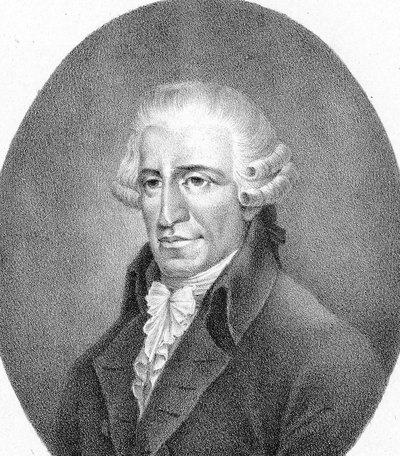
A simple melody steps along very quietly: C, C, E, E, G, G, E, as easy as a nursery tune. It repeats, even softer, and just as your ears begin to relax: bang! The whole orchestra strikes a loud chord at once.
The toast of London
In 1791 Haydn left the Esterházy court, where he had worked for nearly thirty years, and went to London for the first time. The impresario Johann Peter Salomon had invited him to write new symphonies. Haydn was approaching sixty, yet London received him with enthusiasm.
London concerts then were not only places for hushed listening. They were social occasions where people moved about and chatted. Haydn needed something new to catch such an audience's ear. The symphony first performed in London in 1792 was No. 94, known today as the "Surprise."
The legend and the composer's word
For a long time a story was told: Haydn put in that crash to startle dozing ladies awake. It sounds plausible enough.
But Haydn's early biographer Griesinger wrote that he asked Haydn directly about this story, and Haydn's answer was different. He wanted to draw attention with something new that would surprise the public, not to wake anyone up. His former pupil Pleyel was also in London giving rival concerts, so Haydn surely felt he had to show something fresh.
Either way, his calculation worked. The bang quickly became the talk of London audiences, and the symphony gained its nickname.
What comes after the surprise
The fun part is what follows. The loud chord happens only once. Haydn doesn't repeat the joke; instead he spins that simple tune through a series of variations. It darkens into a minor key, then dresses up in ornaments. The surprise was the key to the door. The real pleasure lay beyond it.
That is worth remembering when you listen. On a first hearing, everyone waits for the bang. On a second hearing, try ignoring it and following the tune instead: how it keeps its shape while its clothes change, and how Haydn makes something so plain sound new each time it returns. That patient craftsmanship, more than the joke, is why audiences kept coming back to hear him.
A question to think about
The tale of the bang that woke the dozing ladies differs from Haydn's own explanation, yet it spread much more widely for a very long time. Entertaining stories outrunning the facts happens every day online and on our phones.
When a plausible, entertaining story spreads further than the truth, what should we check before passing it on? And whose job is it to correct a story that is wrong?
Joseph Haydn1732–1809Read the story of Haydn →