
The Symphony Where Players Snuffed Their Candles and Left
In autumn 1772, in the finale of a Haydn symphony, musicians left one by one. A protest on stage, or a polite request?
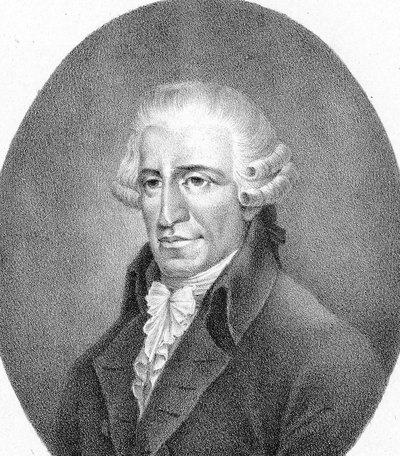
In the middle of a concert, the oboist closes his music, blows out the candle on his stand and quietly leaves the stage. A little later a horn player gets up and goes. Then a bassoonist, then a double bass. How did the prince sitting in the audience take it?
A summer that went on too long
In 1772 Joseph Haydn was music director at the court of the Esterházy family, among the grandest nobles in Hungary. His employer, Prince Nikolaus Esterházy, loved music and liked to spend long stretches with his orchestra at Eszterháza, the lavish summer palace he had built in the Hungarian countryside.
The trouble lay with the musicians. The palace had little room for their families, so most of them had to leave their wives and children at home in Eisenstadt. That year the prince stayed far longer than planned, and the players went months without seeing their families.
According to Haydn's early biographers Griesinger and Dies, who said they heard it from Haydn himself, he decided to make the point with music instead of words.
Two violins left at the end
The result was Symphony No. 45, written in F-sharp minor, a key almost never used for symphonies at the time. Its finale races along and then suddenly stops, and a new, slow section begins.
In that slow section the score is strangely built. Instrument by instrument, each player reaches a last note and has nothing more to do. Haydn wrote the departures into the music, and the players, it is said, put out their candles and left one at a time. In the end only two violins remain on stage, finishing the piece very softly. One story says one of the two was Haydn himself.
As the story goes, the prince understood, and the next day the court made ready to return to Eisenstadt. The symphony has been known ever since as the "Farewell."
What the listener hears
Listening today, you can clearly hear the sound thinning out instrument by instrument. The full ensemble grows slimmer until it seems only two threads are left. If you listen to a recording, close your eyes and count which instruments have gone.
A question to think about
Haydn's musicians couldn't ask outright for rest, so they put their request to their employer in the polite language of music. Today many people still endure long working hours and time away from their families, and find it hard to say so to those above them.
If workers asking for fair rest must always find a clever, courteous method like Haydn's, is that fair? What would have to change for workers' voices to be heard directly?
Joseph Haydn1732–1809Read the story of Haydn →