
The Animal Concert Its Composer Kept Hidden
Saint-Saëns saw The Carnival of the Animals as a joke for friends and blocked its publication in his lifetime, except for one piece: The Swan.
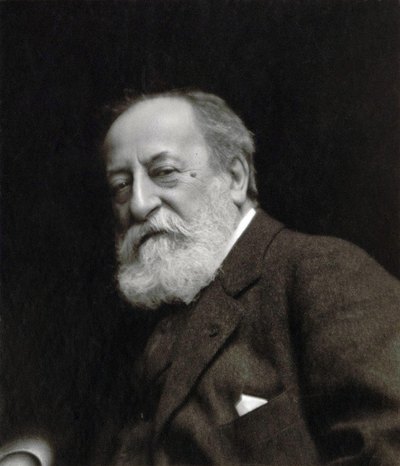
A lion enters roaring, a tortoise dances very slowly. A donkey brays, a kangaroo hops, and oddly enough an animal called "Pianists" appears, clumsily repeating finger exercises. Paris, 1886: Camille Saint-Saëns presents The Carnival of the Animals to his friends.
Written for fun
Saint-Saëns was then one of France's leading composers, famous for symphonies, concertos and operas, and known since childhood as a prodigy. For Carnival, the festival season before Lent, he wrote a playful piece for a private concert to enjoy with fellow musicians.
The piece is full of mischievous jokes. The tortoise's sluggish dance is the fast, wild can-can from an Offenbach operetta stretched out to a crawl. The lumbering elephant has the double bass clumsily borrow tunes by Berlioz and Mendelssohn that were written for light-footed fairies. In "Fossils" Saint-Saëns even drags in his own Danse macabre and mocks it like a pile of old bones.
Why he blocked publication
Having played such games with other people's music, Saint-Saëns seems to have worried that the piece would damage his name as a serious composer. He forbade its publication during his lifetime and left the same wish in his will. The complete work appeared only in 1922, the year after he died.
There was a single exception: the thirteenth piece, "The Swan." It contains no jokes. Two pianos make gentle ripples while a cello sings a long, graceful melody above them, calm on the surface like a swan gliding over water. This one piece he allowed to be published in his lifetime.
The swan's second life
"The Swan" soon became a favorite of cellists, and in 1905 the Russian choreographer Mikhail Fokine set a short dance to it for the ballerina Anna Pavlova. That dance became known as "The Dying Swan," so Saint-Saëns's swan is also remembered as a dying swan's last beating of wings.
When you listen, notice how little the cello melody seems to strain, even as it climbs high and falls back. Underneath, the pianos never stop moving. It is a picture of effort hidden beneath grace.
A question to think about
Saint-Saëns hid a playful piece, fearing it would hurt his serious reputation, yet today The Carnival of the Animals is among his most loved works. Many people still hide their quirky, joyful side for fear of how others will see them.
If society's expectations of "serious, admirable people" force people to conceal part of themselves, whom do those expectations help, and whom do they cost?
Camille Saint-Saëns1835–1921Read the story of Saint-Saëns →