
A Symphony That Ends by Fading Very Slowly Away
Unlike most symphonies of its time, Tchaikovsky's last ends quietly with a slow movement. He conducted its premiere and died nine days later.
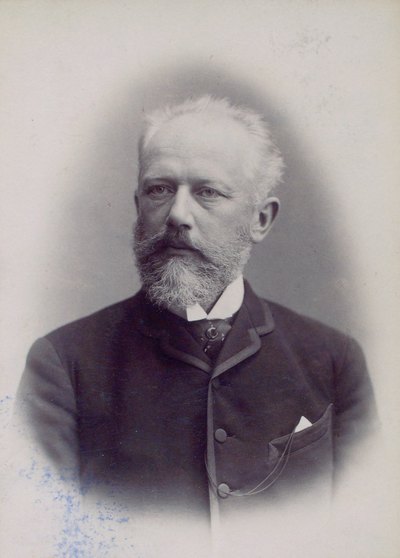
The symphony is ending, and something feels odd. There is no triumphant march, no fanfare of victory. The strings sink low, the sound grows softer and softer, and it vanishes into the darkness of the double basses. The audience hesitates, unsure whether to clap.
A title from his brother
In 1893, Pyotr Ilyich Tchaikovsky, fifty-three, completed a new symphony. He reportedly considered it the most carefully made of all his works. That October, in St Petersburg, he took the baton himself and conducted its first performance.
About its title, his brother Modest left an account. After the premiere, Tchaikovsky was searching for a name for the piece; when Modest suggested "Pateticheskaya," his brother said that was right and wrote it on the score. It is usually translated "Pathétique," but the Russian word carries not only sorrow but also the sense of passionate, overflowing feeling.
A symphony turned upside down
Symphonies of the time usually ended with a fast, powerful finale. Tchaikovsky reversed the order. In the third movement, march-like music swells as if about to burst, and audiences hearing it for the first time sometimes applaud, thinking the work is over. Then comes the fourth movement, very slow. The score marks it with a word meaning "lamenting."
The movement's first melody hides a secret. To the ear it sounds like a single falling line. In the score, though, the first and second violins split it between them, alternating note by note. Look at either part alone and the line jumps about awkwardly; only together do they make that sighing tune.
Nine days later
Nine days after the premiere, Tchaikovsky died suddenly. The official cause was cholera. Many theories about his death have circulated since, but nothing has been firmly established. Still, because his last symphony fades away so quietly, many people have come to hear it as his farewell.
When you listen, try following the final pages closely. The pulse in the low strings slows like a heartbeat, the harmony darkens, and the last sounds are barely above silence. Few symphonies ask the audience to sit so still at the end.
A question to think about
Tchaikovsky's sudden death was followed for many years by speculation with little firm evidence, and even his private life became the subject of rumor. Today, too, when famous people die, unverified stories spread quickly.
When someone who has died can no longer speak for themselves, what lines should we keep when we talk about their life and death?
Pyotr Ilyich Tchaikovsky1840–1893Read the story of Tchaikovsky →