
VOL. 11 · Track 6 · 6 / 15
The Trout That a Cellist Asked For
On a summer trip, twenty-two-year-old Schubert took a music lover's request and wove his own song "The Trout" into a quintet.
Until membership opens, all fifteen stories stay free.
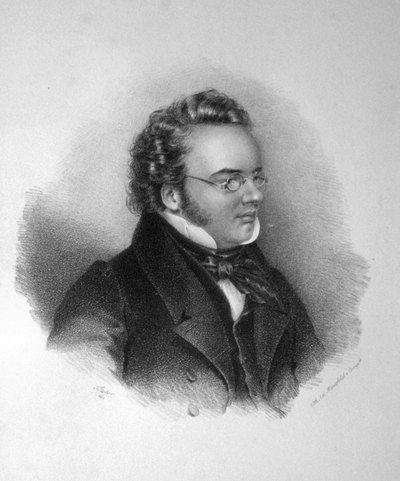 The composer of this pieceFranz Schubert1797–1828 · born in Vienna, Austria
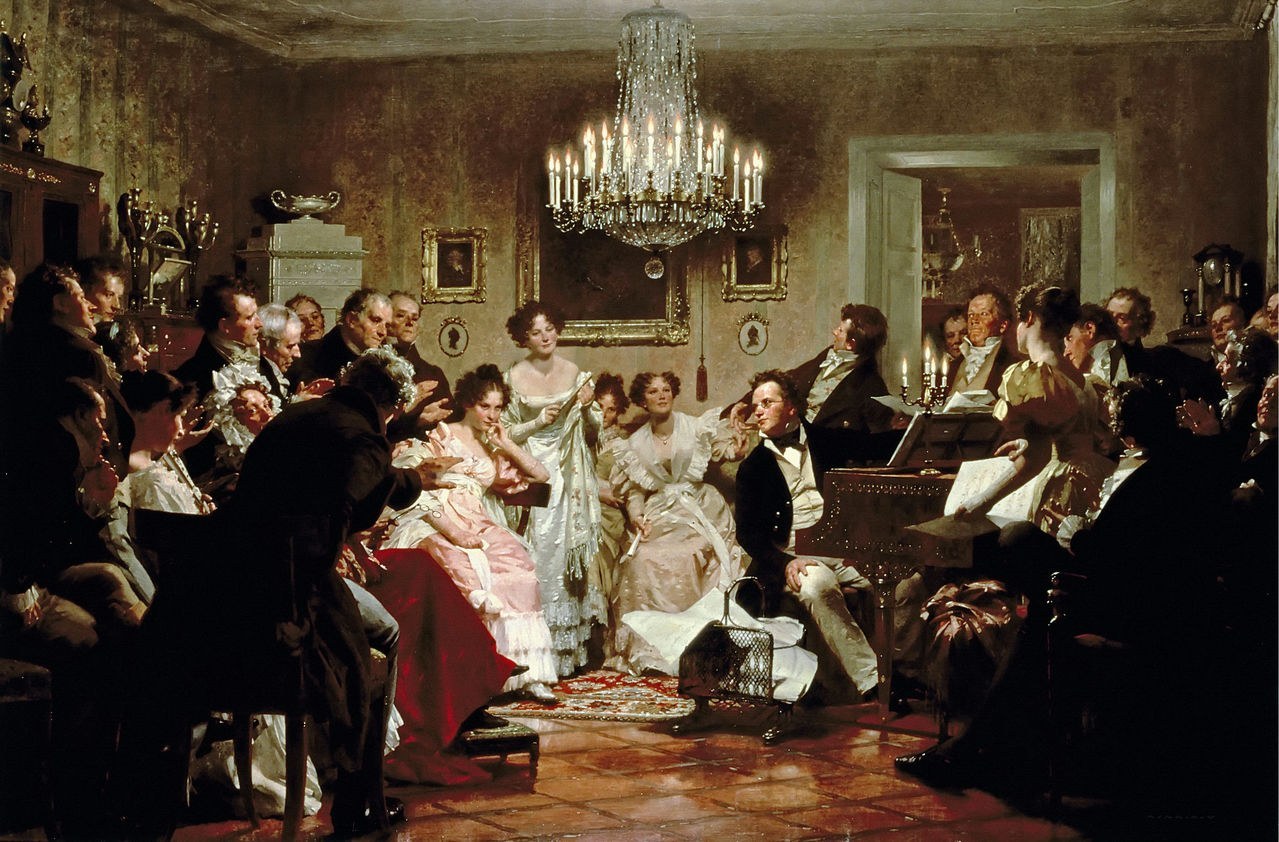
Summer 1819, Steyr, a small town in northern Austria where two rivers meet. Franz Schubert, twenty-two, has come on holiday. His friend Johann Michael Vogl, a celebrated singer, was from Steyr, and the two travelled there together.
This is the sixth stop. Schubert was born in Vienna and hardly ever left it. A summer among mountains and rivers is said to have been one of his happiest memories.
In Steyr lived a music lover and keen amateur cellist, Sylvester Paumgartner. He loved Schubert's song "Die Forelle," The Trout, and reportedly asked for a quintet with a set of variations on its tune. The result is the piano quintet we hear today.
The line-up is unusual. A piano quintet normally means piano plus a string quartet: two violins, viola and cello. This one drops a violin and adds a double bass. With a deep, solid floor at the bottom, the pianist's right hand is free to roam high above.
The song tells of a trout darting like an arrow through a clear stream. But a fisherman plays a trick, muddies the water, and catches it after all. The piano's rippling accompaniment in the song was that stream.
The quintet was not published until 1829, the year after Schubert died at just thirty-one.
Listen for this
- The themeat first the piano rests, and the strings alone quietly introduce the tune of "The Trout."
- The variationsthe tune passes to the piano, then to viola and cello, changing its clothes each time. Try to spot who is leading.
- The last variationthe piano brings back the rippling stream figure from the song. If you know the song, you will smile.
A question to think about
In the song, the trout can't be caught in clear water; the fisherman catches it only after deliberately muddying the stream. Muddying the water when you can't win fairly still happens today, by clouding public opinion with false information or quietly bending the rules in your favor.
To stop those who muddy the water from winning, what should the people watching do?
The piece at this track
Schubert · IV. Theme and variations · about 8 min
Recording on its way