The story of Vivaldi
Inside a Venetian church, girls play violins behind a grille, and before them stands a red-haired priest. Travelers reportedly came here on purpose to hear them. This is the story of Antonio Vivaldi.
Venice, a family of violinists
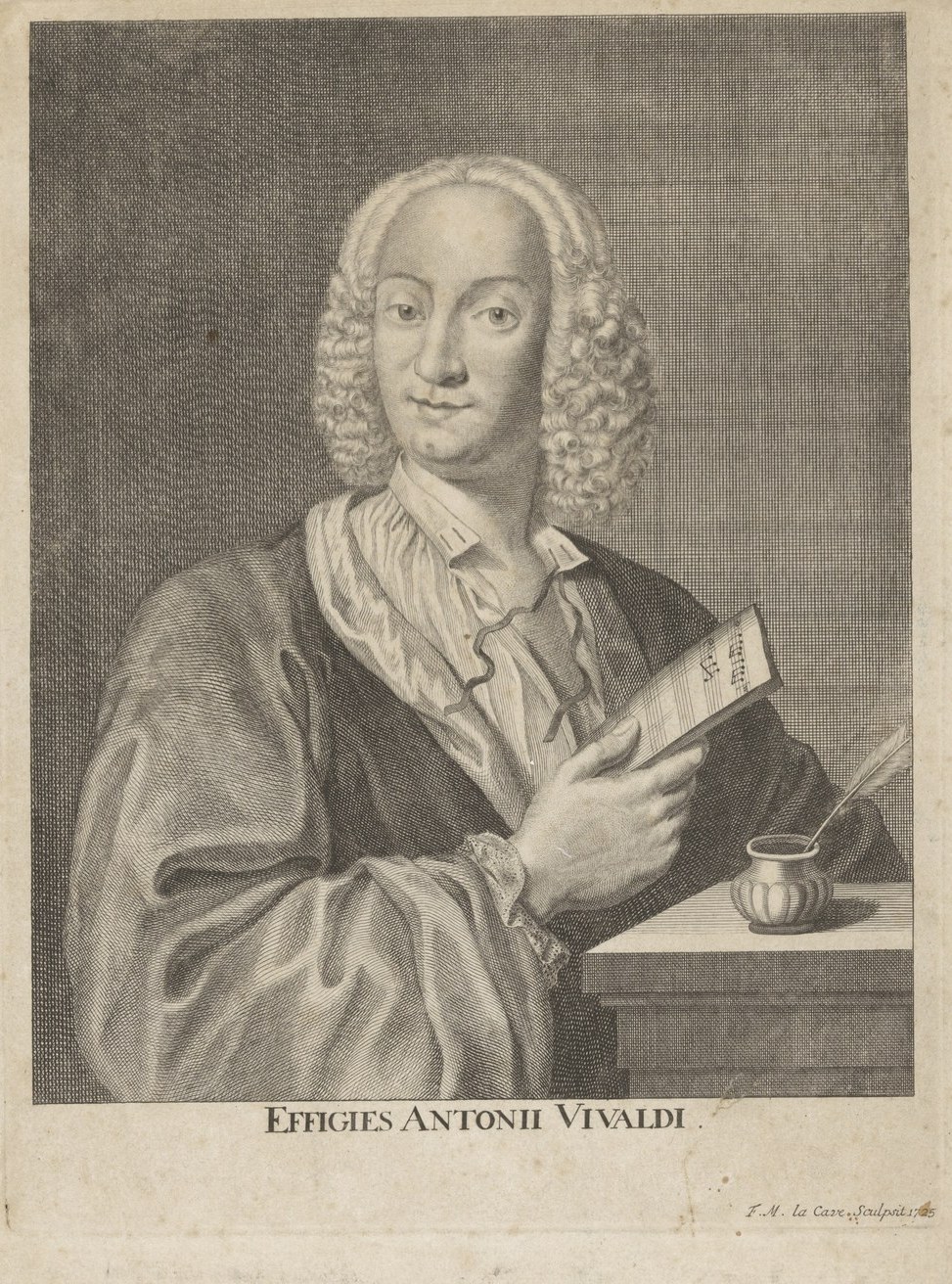
Vivaldi was born in Venice in 1678. His father was a violinist at St Mark's Basilica and taught his son the violin. Vivaldi trained for the priesthood and was ordained in 1703, but soon stopped saying Mass; in a later letter he blamed a tightness in his chest. Because of his red hair, people called him "the Red Priest."
The girls of the Pietà
That same year Vivaldi became violin teacher at the Ospedale della Pietà, a home for children without parents that taught music, especially to girls, and produced a celebrated orchestra and choir. For decades Vivaldi taught, performed and composed there. Many of his hundreds of concertos were written for these girls.
His concertos were not only for violin. There are concertos for cello, flute, oboe, mandolin and recorder, and more than thirty for bassoon alone. That was possible because the Pietà's musicians learned many instruments. He was a teacher who wrote new pieces to fit each player's skills.
Shaping the concerto
Vivaldi's concertos usually have three movements, fast-slow-fast, with an ensemble theme returning between the solo passages. This sturdy, clear framework spread across Europe. His collection L'estro armonico, published in Amsterdam in 1711, was especially influential, and the young Bach in Germany studied it by transcribing its concertos for keyboard.
Opera and The Four Seasons
Vivaldi also staged operas actively in Venice and other cities, sometimes managing theaters himself. In 1725 a collection containing The Four Seasons was published in Amsterdam. With a sonnet for each season and birdsong and storms painted in sound, these pieces came to define his name.
Last days in Vienna
When his popularity faded in Venice late in life, Vivaldi went to Vienna in search of new opportunities. But Emperor Charles VI, whose support he hoped for, soon died, and Vivaldi died in poverty in Vienna in 1741. His name was quickly forgotten, until a bundle of manuscripts surfaced at an Italian school in the 1920s and brought him back to life.
Music to hear on Pyeongeum
- The Four Seasons, Spring, first movement: a spring poem of birdsong, brooks and thunder, and the second stop on our Music Journey.
- The Four Seasons, Summer, third movement: a fast movement where a summer storm breaks, the solo violin flashing like lightning.
- The Four Seasons, Winter, second movement: a warm melody by the fireside and pizzicato like rain outside.
People around him
- The girls of the Pietàthe first performers of countless concertos.
- His father, Giovanni Battista Vivaldi: violinist at St Mark's and his first teacher.
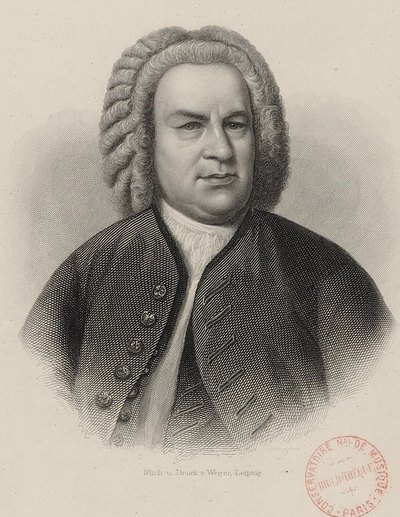
- Johann Sebastian Bachthe German composer who learned from Vivaldi by transcribing his concertos for keyboard.
A question to think about
The girls of the Pietà were renowned players across Europe, yet most performed nameless behind a grille. Their talent brightened the institution's fame and the composer's name. Even today, people working inside institutions and organizations are easily hidden.
If we remember only one name and never show the share of those who worked alongside, what do we lose?
Pieces along a life
Each dot is a piece on Pyeongeumjae — tap one to open it. The year is whichever is confirmed: composed, completed, published or premiered.
Pieces by Vivaldi
- The Four Seasons: SpringI. Allegro · published 1725 · aged about 47 · about 4 minMusic Journey · track 2
- Concerto No. 9Movement II · about 4 min
- Concerto No. 1III. Allegro · about 4 min
- Concerto No. 3I. Allegro · about 5 min
- Concerto No. 3III. Allegro · about 3 min
- Concerto No. 4I. Allegro · about 3 min
- Concerto No. 2Movement II · about 2 min
Hidden stories about Vivaldi
Composers of the same age
People whose lives overlapped with Vivaldi's by more than ten years