
Details
- Composer
- Wolfgang Amadeus Mozart
- Catalogue no.
- K. 314
- Key
- C major
- Scoring
- Wind soloist and orchestra
- Length
- about 6 min
Recording
Morning music at 7
Track info
「Oboe Concerto in C major」Performed by European Archivesrecorded 2021Wikimedia CommonsPublic Domain
About this piece
The oboe brings out a bright, bouncing theme. A few years later Mozart used the same theme again in The Abduction from the Seraglio, in an aria sung by a maid overflowing with joy.
At a glance
- What it isthe third and last movement of the Oboe Concerto in C major, a Rondo: Allegro, a fast piece in which the theme returns several times.
- Who, when, whythought to have been written in 1777 by the twenty-one-year-old Mozart for Ferlendis, oboist in the Salzburg court orchestra.
- What to listen forthe bright theme returning each time, and the varied stories the oboe tells in between.
Listen for
- The themethe oboe brings out a lively theme. Each time it returns, it feels like coming home.
- Stories in betweenbetween appearances of the theme, the oboe moves to another key and offers new melodies.
- Cadenza and closethe orchestra stops and the oboe briefly displays its skill alone, then the theme returns one last time and ends brightly.
When it was written
This concerto was forgotten for a time. The following year Mozart transposed it to D major and reworked it as a flute concerto, and for a long while only that flute version was known. Around 1920 the oboe parts were found in Salzburg, and the original form became known again.
Mozart did not throw away a good melody. The theme of this rondo reappears in the aria 'What bliss, what joy' from his opera The Abduction from the Seraglio, premiered in Vienna in 1782.
A question to think about
Known only in its flute version, this concerto was revealed to have been an oboe concerto originally when old parts were discovered. Material sleeping in libraries and archives can change history.
Why should public money and effort go into preserving and organizing old records? Of the records we leave today, what should still exist a hundred years from now?
The composer
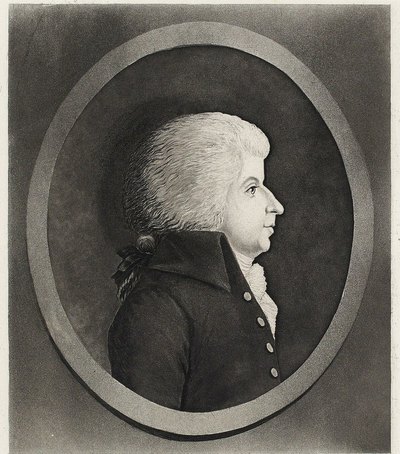 Wolfgang Amadeus Mozart1756–1791 · born in Salzburg, AustriaMore on Mozart →
For moods like
Restless · Excited
fast · major key · energy 5
Find more pieces in Listen by Mood →More by Mozart
- Symphony No. 40I. Molto allegro · completed 1788 · about 8 min
- Violin Concerto No. 1Movement I · about 6 min
- Violin Concerto No. 1III. Presto · about 5 min
- Piano Sonata No. 11I. Andante · about 14 min
- Sonata No. 13III. Allegretto · about 7 min
- Symphony No. 40Movement III · about 4 min
- Rondo in A majorabout 9 min