
How a Ballet That Failed at First Took Flight
Swan Lake was poorly received at its 1877 Moscow premiere. The ballet found the form we know only after Tchaikovsky's death.
The harp ripples gently like water, and the strings spread a trembling mist. Above it, the oboe sings a lonely, beautiful melody. It is a moonlit lakeshore, and enchanted swans glide across the water. Hearing this tune, many people picture ballerinas in white tutus. Yet this ballet was not loved from the start.
A first ballet, a first failure
In 1875 the Bolshoi Theatre in Moscow commissioned Tchaikovsky to write a ballet score. Ballet music was then regarded as little more than an accompaniment for dancing, and well-known symphonic composers rarely took it on. Tchaikovsky took the job seriously and wrote music as well built and deep as a symphony.
The 1877 premiere fell short of hopes. The choreography won little praise, and the staging and playing reportedly failed to match the music. Some even complained the music was too complex and symphonic for a ballet. The production ran for a few years and then disappeared.
A swan that rose after his death
Tchaikovsky went on to master ballet music with The Sleeping Beauty and The Nutcracker, but he never saw Swan Lake shine on stage again. He died in 1893.
After his death, Marius Petipa and Lev Ivanov, choreographers at the Mariinsky Theatre in St Petersburg, decided to create the ballet anew. The conductor Riccardo Drigo revised the music, and the new Swan Lake reached the stage in 1895. Ivanov's lakeside scenes, with the white corps of swans moving as one body, were especially moving. Most productions of Swan Lake performed around the world today are rooted in that 1895 version.
White swan, black swan
In the ballet, Odette is a princess under a spell, a swan by day and human only at night, and Odile is the sorcerer's daughter who impersonates her. The tradition of one ballerina dancing both roles took hold around that time. Moving between the pure white swan and the seductive black swan is still one of the hardest tests a ballerina faces.
When you listen, follow the oboe's theme. It returns throughout the ballet in many forms, sometimes tender, sometimes stormy, like the story's heartbeat.
A question to think about
Swan Lake vanished for a while after a failed premiere, then was reborn as a masterpiece through other people's hands after its composer died. Today we often judge performances, books and films quickly by first reactions, and forget them just as fast.
What opportunities are lost when we judge a work or a person by first impressions alone? What does it take to give a second chance to something that seems to have failed?
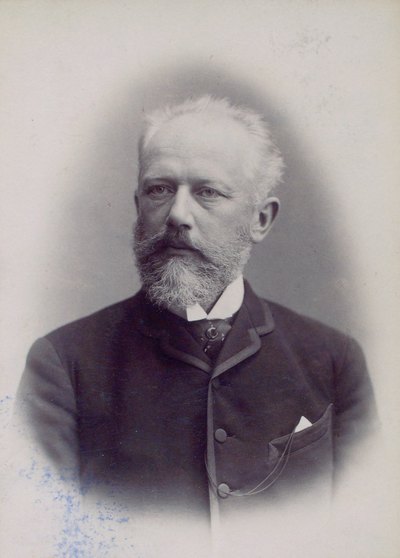
Pyotr Ilyich Tchaikovsky1840–1893Read the story of Tchaikovsky →