
VOL. 04 · Track 14 · 14 / 15
Cello Concerto in E minor · IV. Allegro
The finale of the last major work Elgar completed, written after the First World War. Near the end, the slow song of an earlier movement returns and casts a deep shadow.
 VOL. 04
 A Romantic Night낭만의 밤
This track plays with a membership. Tracks 1 and 2 are open to everyone.About membership
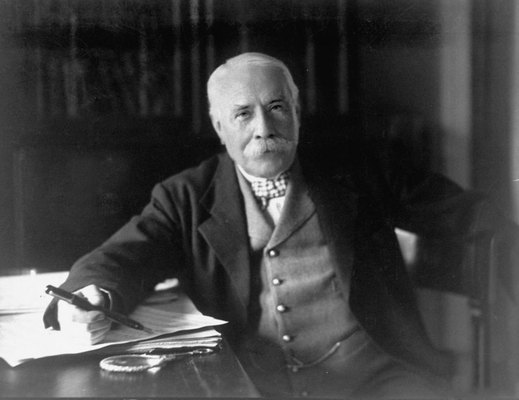 The composer of this pieceEdward Elgar1857–1934 · born in Lower Broadheath, England
About this piece
Music that has been marching briskly suddenly stops near the end. The cello brings back a slow song it sang earlier, as if looking back on time gone by.
At a glance
- What it isthe fourth and final movement of the Cello Concerto in E minor.
- Who, when, whyElgar wrote it in 1919, after the war, while staying in a woodland cottage in Sussex, England. It premiered in London that October.
- What to listen forthe cello's recitative-like opening, the vigorous march-like theme, and the recollection of the slow movement near the end.
Listen for
- The introductionthe orchestra hints at fragments of the theme, and the cello answers with a free, speech-like soliloquy.
- The themethe cello leads a bold, lively theme, trading it with the orchestra.
- Recollection and endingthe music slows, the melody of the third movement returns, the cello's chords from the very opening sound again, and the work ends briefly and firmly.
When it was written
The First World War left Elgar deeply wounded. Afterwards he stayed with his wife Alice at Brinkwells, a cottage in rural Sussex, where he wrote several chamber works and this concerto. Its sound is far more inward and melancholy than the confidence of his Pomp and Circumstance days.
The October 1919 premiere was poorly played because of too little rehearsal. The next year Alice died, and Elgar completed almost no major works afterwards. This concerto remained the last large work he finished.
A question to think about
After the war, Elgar's music held more longing for what was lost than joy in victory. Wars end, but wounds stay long in survivors' hearts. Even today the inner wounds of people who have lived through war and disaster are easily forgotten.
After a war or great disaster, how should society care for the unseen wounds of those who survive?