
VOL. 04 · Track 15 · 15 / 15
Piano Concerto No. 2 · II. Adagio sostenuto
The slow heart of the concerto Rachmaninoff wrote after recovering from a long silence. Flute and clarinet sing first; the piano takes up the song.
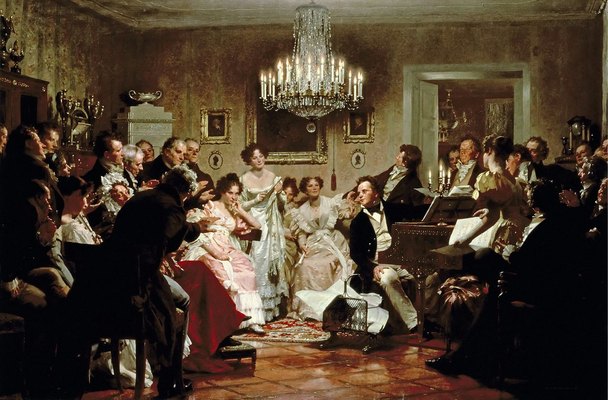 VOL. 04
 A Romantic Night낭만의 밤
This track plays with a membership. Tracks 1 and 2 are open to everyone.About membership
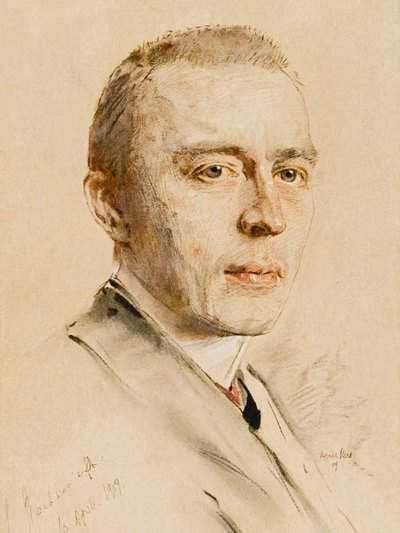 The composer of this pieceSergei Rachmaninoff1873–1943
About this piece
It's a piano concerto, yet here the piano briefly gives up the starring role. In this slow movement, the first song belongs to the woodwinds.
At a glance
- What it isthe slow second movement, Adagio sostenuto, of a three-movement piano concerto.
- Who, when, whyRachmaninoff wrote it after recovering from years unable to compose following his First Symphony's failure. The complete concerto premiered in Moscow in 1901.
- What to listen forthe woodwind melody passed back and forth over the piano's gentle ripples, and the climax in the middle.
Listen for
- The openingmuted strings open quietly with a few chords that shift key.
- Flute and clarinetover the piano's rippling figures, the flute begins the melody and the clarinet continues it.
- The middle and endthe piano speeds up into a short, heated solo, then settles back into the opening calm.
When it was written
After the disastrous 1897 premiere of his First Symphony, Rachmaninoff, then in his twenties, wrote almost no major works for several years. Treatment with the physician Nikolai Dahl in 1900 restored his confidence, and that year he began this concerto. He played the solo at the 1901 premiere, and it was a great success. In gratitude he dedicated it to Dr Dahl.
Rachmaninoff was a pianist famous for his large hands, so his piano writing is full of widely spread chords. In this movement, too, the piano's broad ripples wrap around the melody.
A question to think about
This music was born after one man collapsed and, with help, stood up again. But not everyone has, as Rachmaninoff did, a good doctor and a family that worries about them.
If whether a struggling person can get help depends on family, money or where they live, what should society do to close that gap?