
VOL. 09 · Track 10 · 10 / 15
Piano Concerto No. 1 · II. Andante
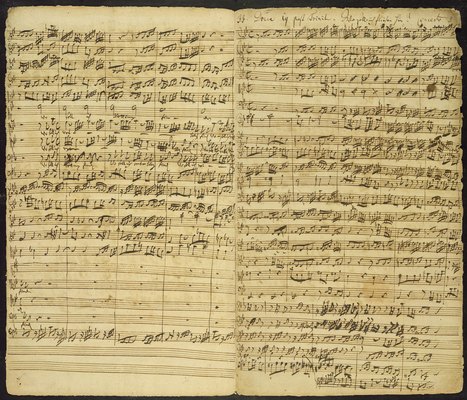
A slow movement in which, after the horn's call, the piano sings alone as if dreaming. It was written by an eighteen-year-old student and heavily rewritten at forty-four.
 VOL. 09
 When You Need to Focus집중이 필요할 때
This track plays with a membership. Tracks 1 and 2 are open to everyone.About membership
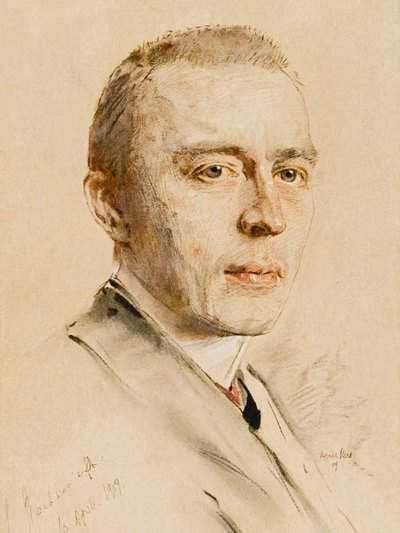 The composer of this pieceSergei Rachmaninoff1873–1943
About this piece
The horn gives a brief call, and the piano quietly begins to sing alone. The composer of this concerto was an eighteen-year-old conservatory student. Twenty-six years later he would revise it so thoroughly that he almost wrote it anew.
At a glance
- What it isthe second movement of Piano Concerto No. 1, a slow Andante in D major.
- Who, when, whyRachmaninoff first wrote it in 1890 to 1891 as a student at the Moscow Conservatory and revised it heavily in 1917. It is his Op. 1, his first opus number.
- What to listen forthe horn's call at the start, and the long song the piano then sings alone.
Listen for
- The callthe horn calls with a short melody and the woodwinds take it up.
- The piano's songthe piano sings a melody alone, as if dreaming. It resembles a nocturne, a piano piece like a song of the night.
- Togetherthe orchestra returns to share the melody with the piano, and the movement fades quietly to its close.
When it was written
In 1891 the eighteen-year-old Rachmaninoff completed this concerto and dedicated it to the pianist Alexander Siloti, his teacher and cousin. The following year he graduated from the Conservatory and won the Great Gold Medal for his opera Aleko.
In 1917, the year revolution broke out in Russia, he revised this first concerto heavily. Not long after finishing, he left Russia with his family and never returned. Nearly all performances of No. 1 today use this 1917 version.
A question to think about
Rachmaninoff took up the first work he wrote as a student and heavily revised it after he had become a famous composer. He did not hide his old work in shame but refined it again.
Looking back at things we made or said long ago can be embarrassing. Is it more honest to revise past work or to leave it as it was?