
VOL. 09 · Track 11 · 11 / 15
Piano Concerto No. 2 · I. Moderato
A concerto that opens with the piano alone sounding eight chords that grow like bells. Then the strings sing a broad theme while the piano surrounds it in waves.
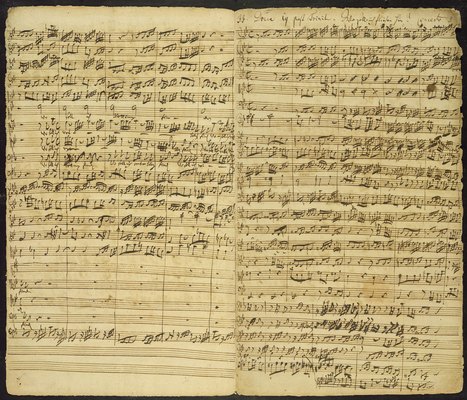 VOL. 09
 When You Need to Focus집중이 필요할 때
This track plays with a membership. Tracks 1 and 2 are open to everyone.About membership
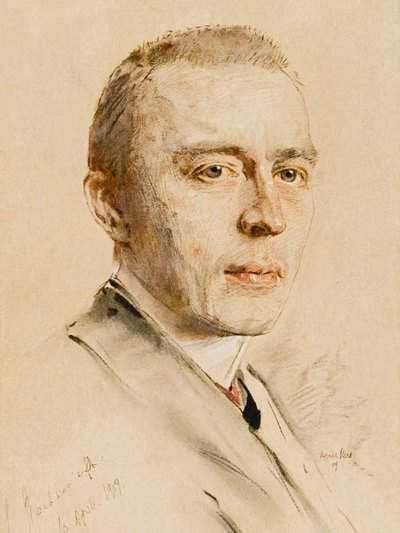 The composer of this pieceSergei Rachmaninoff1873–1943
About this piece
The piano begins, not the orchestra, and not with a tune but with chords, one at a time, like a distant bell drawing closer.
At a glance
- What it isthe first movement, Moderato, of Rachmaninoff's Piano Concerto No. 2 in C minor.
- Who, when, whywritten after he broke a long silence following his First Symphony's failure; the complete work premiered in Moscow in 1901.
- What to listen forthe eight chords for piano alone, the first theme in the strings, and the second theme sung by the piano.
Listen for
- The openingthe piano strikes chords very softly, sounding the same low note in between, and builds them louder over eight steps. It recalls Russian church bells.
- The first themeonce the bells have rung, the strings sing a broad, dark theme while the piano supports it with rippling chords.
- The second themethe mood brightens and the piano sings a warm, lyrical melody.
When it was written
After the harsh reception of his First Symphony in 1897, Rachmaninoff could not write large works for several years. Treated by the physician Nikolai Dahl in 1900, he regained his confidence and wrote this concerto. The second and third movements were performed first, and in 1901, with the first movement complete, the whole work was premiered.
Rachmaninoff loved the bells of Russian Orthodox churches, and many of his works include passages imitating them. The opening of this concerto is often cited as one. He dedicated the concerto to Dr Dahl.
A question to think about
One savage review knocked Rachmaninoff down for a long time, yet he rose again and wrote one of his most loved works. Today anyone can easily judge others' work online, and those words reach the maker instantly.
How can we keep both the right to criticize others' work and the responsibility to make sure that criticism doesn't crush a person?