
Smetana · Romantic
Má vlast: Vltava
Bedřich Smetana
Follows the river from its two springs on its way through Prague
Details
- Composer
- Bedřich Smetana
- When
- composed 1874
- Key
- E minor
- Scoring
- Orchestra
- Length
- about 12 min
Recording
Morning music at 7
Track info
「Má vlast: Vltava」Performed by Musopenrecorded 2012Wikimedia CommonsPublic Domain
About this piece
This piece is like a map. The composer wrote down himself what passes by in each scene, from the river's source to its end.
At a glance
- What it isthe second of six orchestral pieces in the cycle Má vlast (My Country), portraying the Vltava (Moldau), the river that runs through the Czech lands.
- Who, when, whyBedřich Smetana completed it in 1874, the year he lost his hearing.
- What to listen forthe two flutes of the springs, the river theme in the strings, the hunt and the village wedding, the moonlight, the rapids.
Listen for
- The springstwo flutes weave past each other, painting droplets of flowing water.
- The river themethe strings sing a broad, wistful melody as the river appears.
- The rapids and Praguethrough the rapids churning in brass and percussion, the river theme shines out in a major key as it passes the capital.
When it was written
Smetana was the composer who awakened Czech pride through operas and music in the Czech language, at a time when the Czech lands belonged to the Habsburg Austrian Empire. As conductor of the Provisional Theatre in Prague he staged operas such as The Bartered Bride.
In 1874 he suddenly lost his hearing and had to give up conducting. Even so, that year he began Má vlast and completed all six pieces over several years. Vltava is the most often performed of them. By tradition, the Prague Spring festival opens on the anniversary of Smetana's death with the complete Má vlast.
A question to think about
Under foreign rule, Smetana painted his own land's river and stories in music, and the piece has long been a source of Czech pride. Love of country can bind people together, but sometimes it is used to push others away.
What is needed so that love of one's home and country does not turn into rejecting other people?
Hidden stories about this piece
In the composer's life
composed 1874 · Smetana, aged about 50
The composer
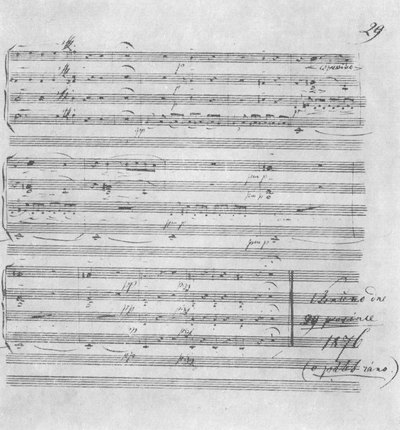 Bedřich Smetana1824–1884 · born in Litomyšl, Czech RepublicMore on Smetana →
For moods like
Longing · Grateful
moderate tempo · major and minor mixed · energy 3
Find more pieces in Listen by Mood →