
Details
- Composer
- Joseph Haydn
- Catalogue no.
- Op. 64 No. 5
- Key
- D major
- Scoring
- String quartet
- Length
- about 6 min
Recording
Morning music at 7
Track info
「String Quartet in D major」Performed by Musopenrecorded 2012Wikimedia CommonsPublic Domain
About this piece
Below, three instruments set down short, crisp steps. Above them the first violin rises and sings high in the air, like a lark climbing into the sky, hence the nickname.
At a glance
- What it isthe first movement of Haydn's String Quartet in D major, Op. 64 No. 5, known as "The Lark."
- Who, when, whyone of a set of six Haydn wrote in 1790, near the end of his time at the Esterházy court.
- What to listen forthe first violin's soaring melody above the three crisply stepping instruments.
Listen for
- The openingsecond violin, viola and cello play light, detached notes while the first violin soars and sings at length.
- Conversationsoon all four move quickly together, trading lines. Follow how they pass the melody among them.
- The returning songlater in the movement, the lark's melody takes flight again.
When it was written
Haydn refined the string quartet so thoroughly that he is called its father. In his hands the form settled into a conversation among equals: two violins, viola and cello.
Op. 64 was dedicated to Johann Tost, a violinist and businessman. In autumn 1790 Haydn's employer, Prince Nikolaus Esterházy, died, and the next year Haydn left for London to begin a new chapter. These quartets were written just before that turning point.
A question to think about
A string quartet is four people playing without a conductor, listening to one another. Someone may lead, but in the end everyone must listen for it to become one piece of music. Our meetings and communities face a similar challenge.
To work together with mutual respect without anyone conducting, what must people learn first?
The composer
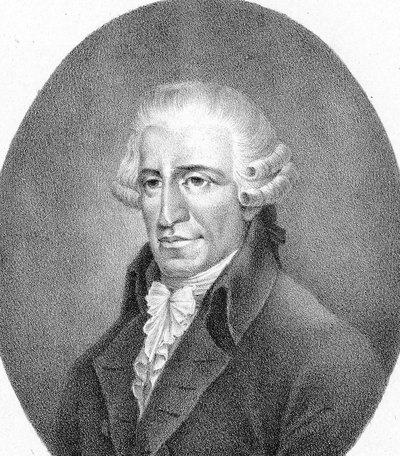 Joseph Haydn1732–1809 · born in Rohrau, AustriaMore on Haydn →
For moods like
Excited · Joyful
fast · major key · energy 4
Find more pieces in Listen by Mood →