
VOL. 07 · Track 11 · 11 / 15
Fantaisie-Impromptu
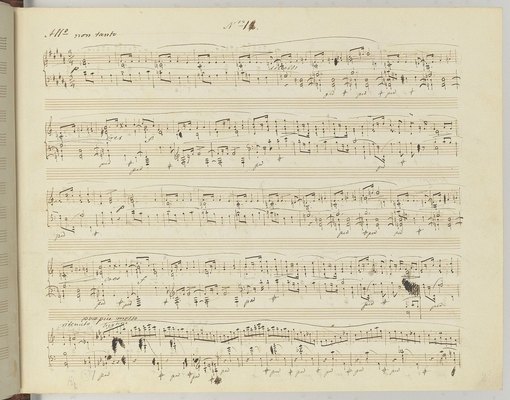
A piece Chopin never published, released after his death by a friend. The hands race in different rhythms before a slow song appears in the middle.
 VOL. 07
 Just One Piano피아노 한 대로
This track plays with a membership. Tracks 1 and 2 are open to everyone.About membership
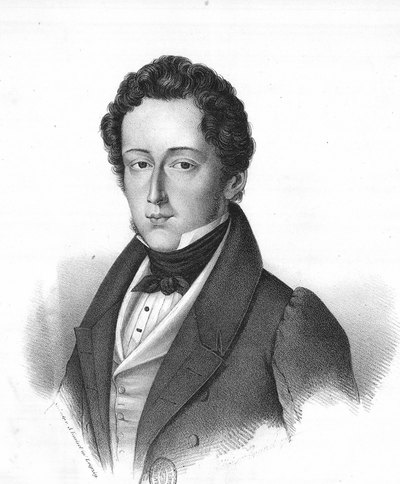 The composer of this pieceFrédéric Chopin1810–1849 · born in Żelazowa Wola, Poland
About this piece
The left hand in groups of six, the right in groups of eight. The two hands race in different rhythms at once, yet it sounds like a single wave. For piano students, this crossing of rhythms is a major hurdle.
At a glance
- What it isChopin's Fantaisie-Impromptu in C-sharp minor for piano. The opus number 66 was assigned after his death.
- Who, when, whywritten around 1834, it was never published by Chopin. His friend Julian Fontana issued it in 1855 with other posthumous works.
- What to listen forthe crossing rhythms of the two hands, the slow, lyrical melody of the middle, and the quiet recollection at the end.
Listen for
- The first sectionthe left hand spreads wide chords while the right pours out rapid notes. In the same span of time, the two hands play different numbers of notes.
- The middlethe pace slows sharply, the music turns major, and a beautiful, singing melody flows.
- The endingthe fast waves return, and at the very end the left hand quietly recalls the middle melody, low down.
When it was written
Around 1834 Chopin was in his mid-twenties, a few years after arriving in Paris. Why he never published this piece is unknown. Before his death, Chopin is said to have asked that his unpublished manuscripts be destroyed.
His friend Fontana, however, after consulting Chopin's family, selected several pieces from the remaining manuscripts and published them in 1855, this one among them. Today it is among Chopin's most loved piano pieces.
A question to think about
Chopin asked that his unpublished manuscripts be destroyed, yet his friend released some of them. Thanks to that we can hear this piece, but the composer's last wish went unkept.
When the wishes of someone who has died clash with value that the living could enjoy, which should we respect more?