
VOL. 09 · Track 4 · 4 / 15
Mazurka No. 8
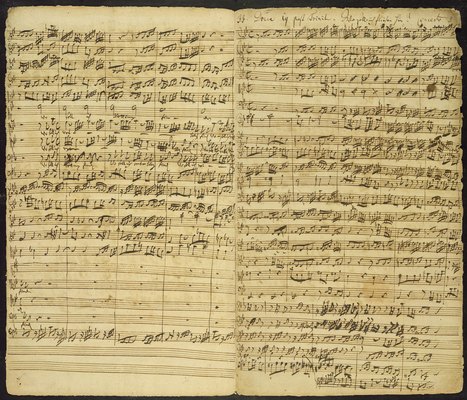
A short mazurka of little more than a minute. The light steps of a country dance bounce up charmingly and are soon over.
 VOL. 09
 When You Need to Focus집중이 필요할 때
This track plays with a membership. Tracks 1 and 2 are open to everyone.About membership
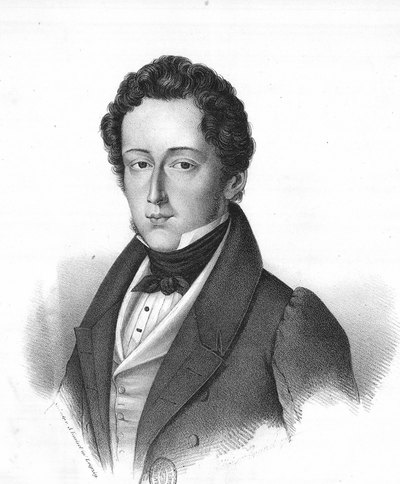 The composer of this pieceFrédéric Chopin1810–1849 · born in Żelazowa Wola, Poland
About this piece
A dance that is over after one spin. Chopin's Mazurka Op. 7 No. 4 fits the steps of a Polish country dance lightly into little more than a minute.
At a glance
- What it isthe fourth of five Mazurkas, Op. 7, a short piano piece in A-flat major.
- Who, when, whyChopin gathered pieces written around the age of twenty and published them in 1832, after settling in Paris.
- What to listen forthe bouncing rhythm, with weight falling on the second or third beat.
Listen for
- First stepsa bright melody springs up lightly. Tap the beat with your foot and notice where the weight falls.
- The middlethe mood shifts for a moment and moves to another key, like dancers changing places.
- The returnthe bright opening melody comes back and the piece ends briefly.
When it was written
The mazurka is a dance in three that grew out of the country dances of Mazovia in central Poland. Its accent often falls not on the first beat but on the second or third, so the stamping and leaping of the dance survive in the rhythm. As a boy, Chopin spent summers in the countryside and heard such dances and songs firsthand.
Op. 7 is among the first mazurka sets Chopin published after arriving in Paris. Soon after he left Warsaw in 1830, an uprising against Russia broke out at home and failed, and Chopin never returned to Poland. All his life he kept writing mazurkas, setting down the dances of his homeland on the piano.
A question to think about
All his life Chopin wrote piano pieces on the dances of a homeland he could never return to. For many people living far from home, keeping the sounds of the place they left matters a great deal.
What do the music and language of home mean to people who have left their country to live in another? How should the society where they settle treat the culture they bring?