
Heard It in an Ad · Story 2
1941 · BBC radio
The Fifth Symphony's wartime job: Morse code
Da-da-da-DUM. For a while, these four notes on the radio spelled the word victory.
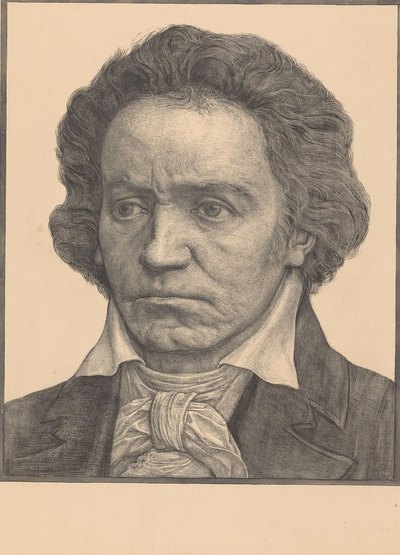
The piece in this story
Da-da-da-DUM. These may be the four best-known notes in classical music, and during the Second World War they worked as a letter of the alphabet rather than as music.
Where you heard it
In 1941 the BBC used the opening four notes as a signal in its broadcasts to Nazi-occupied Europe. Three short, one long: in Morse code that rhythm is the letter V, for Victory. Alongside the V sign that Prime Minister Churchill made with his fingers that same year, the four notes became the sound of the "V for Victory" campaign.
The real story
As it happens, this is Beethoven's Symphony No. 5, or No. V in Roman numerals. It was first performed in Vienna in 1808, at the same concert as the Sixth, the "Pastoral". The idea that the opening is "fate knocking at the door" comes from Anton Schindler, who worked for Beethoven. Schindler's accounts contain much that is hard to trust, so scholars treat the story with caution.
Tell a friend
Those four notes meant V for Victory in Morse code during the war, and the symphony happens to be number V.
Ludwig van Beethoven1770–1827Read the story of Beethoven →