
VOL. 07 · Track 8 · 8 / 15
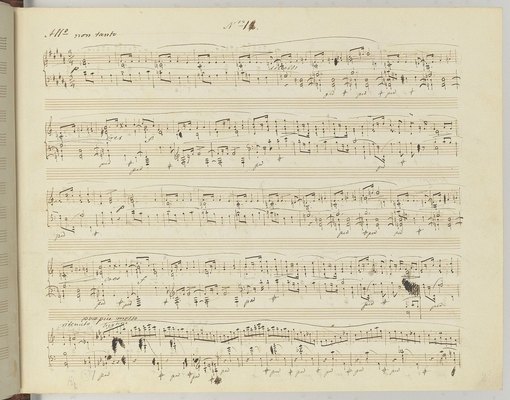
Mazurka No. 16
A short mazurka that sways and sings gently. It is closer to the mood of someone remembering a dance than to the dance itself.
 VOL. 07
 Just One Piano피아노 한 대로
This track plays with a membership. Tracks 1 and 2 are open to everyone.About membership
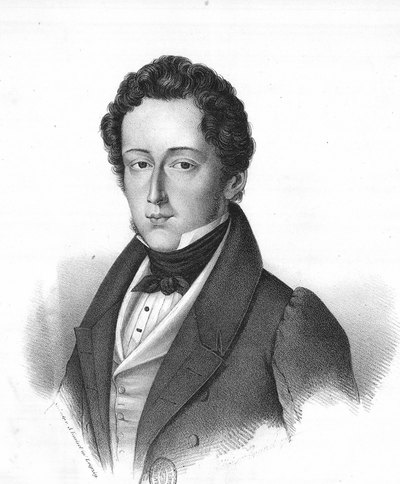 The composer of this pieceFrédéric Chopin1810–1849 · born in Żelazowa Wola, Poland
About this piece
It is less a stamping village dance than a song hummed while recalling dance music heard from afar. Mazurka Op. 24 No. 3 sways softly and tenderly.
At a glance
- What it isthe third of the Mazurkas, Op. 24, a short piece in A-flat major.
- Who, when, whywritten in Paris around 1834 to 1835 and published with the other three in 1836.
- What to listen forthe melody swaying as the beat is gently held back and pushed forward.
Listen for
- Songthe melody begins with a soft step. It is a dance in three, but it does not land heavily on the first beat.
- Swayinglisten for the passages where the player slightly delays and then hurries the beat. Chopin's mazurkas breathe and sway like this.
- The endthe same melody is repeated with small changes, then fades quietly to a close.
When it was written
The mazurka is a dance in three from the country dances of Mazovia in central Poland, often with the accent on the second or third beat. Yet Chopin's mazurkas were famous for not keeping strictly to the beat, holding back and pressing forward in subtle ways. There is a story that a composer who heard Chopin play a mazurka said it sounded as if it were in two rather than three, and the two of them argued.
Around 1835, when Op. 24 was written, Chopin met again in Dresden the Wodziński family, whom he had known as a boy. He grew close to their daughter Maria, but a few years later their engagement came to nothing.
A question to think about
Chopin's mazurkas do not keep strictly to the written beat; they sway subtly with the player's breath. The same score can sound completely different from one player to another.
Which matters more: keeping exactly to fixed rules, or bending a little within them according to your own breath? How can the two be balanced?