
VOL. 07 · Track 6 · 6 / 15
Mazurka No. 13
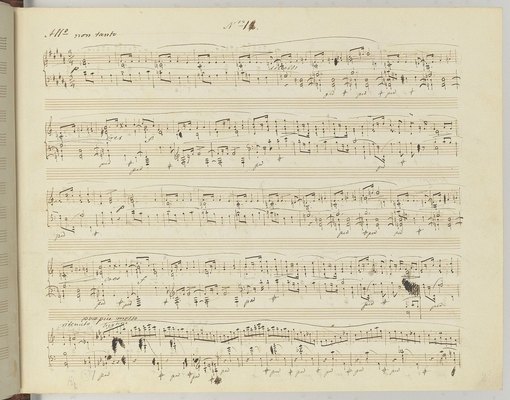
A mazurka that begins with chords in no clear key and fades away on the same chords. Though a dance, it drifts like a lonely dream.
 VOL. 07
 Just One Piano피아노 한 대로
This track plays with a membership. Tracks 1 and 2 are open to everyone.About membership
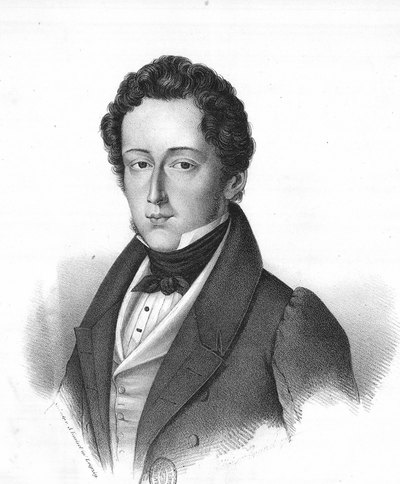 The composer of this pieceFrédéric Chopin1810–1849 · born in Żelazowa Wola, Poland
About this piece
This piece begins with a few chords whose key is not clear. At the end it returns to the same chords and fades away without closing. It is a mazurka that feels like walking through fog, though it is a dance.
At a glance
- What it isthe last of four Mazurkas, Op. 17, in A minor.
- Who, when, whywritten by Chopin around 1832 to 1833 after settling in Paris, and published in 1834 with a dedication to the Italian-born singer Lina Freppa.
- What to listen forthe drifting chords at the beginning and end, and the melody swaying with ornaments in between.
Listen for
- Foga few chords circle without settling into any key.
- Melodya lonely A minor melody sways slowly, decorated with ornaments. Listen for the places where the player holds back and pushes ahead of the strict beat.
- Fadingafter a brighter middle section the opening melody returns, and the end circles on the first chords and blurs away.
When it was written
The mazurka is a dance in three that grew out of the country dances of Mazovia in central Poland. Its accent often falls not on the first beat but on the second or third, so the stamping and leaping of the dance survive in the rhythm.
In early-1830s Paris, Chopin played less in public concerts than in the salons of aristocrats and artists, and he made his living teaching piano. His mazurkas kept the rhythm of the country dance, yet, like this one, they increasingly became music closer to an inner landscape than to dancing.
A question to think about
This piece emerges from fog and vanishes into fog, with no clear beginning or end. A story that ends open, without a firm answer, leaves room for the listener to think.
Must everything have a clear answer and ending? What use in our lives is the strength to bear a state where the answer is not settled?