
VOL. 10 · Track 5 · 5 / 15
String Quartet No. 10 · I. Allegro
The first movement of a quartet written in response to a request for something 'Slavonic'. Polka rhythms and the lilt of Czech country dances roll gently through chamber music.
 VOL. 10
 When You Need a Lift기운이 필요할 때
This track plays with a membership. Tracks 1 and 2 are open to everyone.About membership
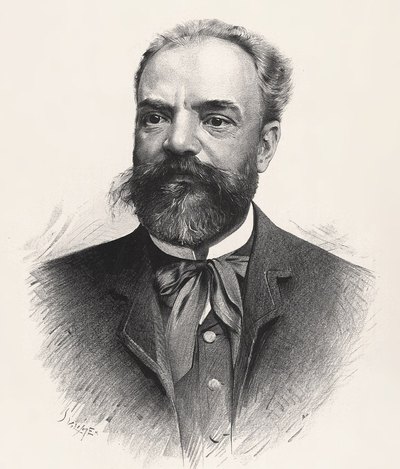 The composer of this pieceAntonín Dvořák1841–1904 · born in Nelahozeves, Czech Republic
About this piece
In 1878 the leader of a string quartet asked Dvořák for a favor: would he write a quartet in the Slavonic style? The piece that came from that request is String Quartet No. 10.
At a glance
- What it isthe first movement of String Quartet No. 10, in E-flat major, marked Allegro ma non troppo, fast but not too fast.
- Who, when, whywritten in 1878 to 1879 by the thirty-seven-year-old Dvořák at the request of Jean Becker, leader of the Florentine Quartet.
- What to listen forthe gently rocking first theme, and the rhythms that recall the Czech polka.
Listen for
- The first themeover a calm support from viola and cello, the violin sings a soft, warm melody.
- Dance rhythmsoon a lively rhythm like a polka cuts in and adds spirit to the music.
- Tradingthe four instruments take turns with the melody, and none of them stays only in the accompaniment.
When it was written
In 1878 Dvořák suddenly made his name in Europe with the Slavonic Dances for piano four hands, thanks to Brahms, who had introduced him to the publisher Simrock. After that success, many performers and organizations asked him for music in a 'Slavonic' style.
This quartet came from one such request. Dvořák brought in the colors of Czech dances and folk songs while keeping the craftsmanship of the classical Viennese quartet. The piece shows him in the years he was establishing himself as an international composer.
A question to think about
Dvořák became famous thanks to the 'Slavonic' label, but he was also constantly asked for that kind of piece. A trait that brings success can sometimes become a frame.
When what people expect of you differs from what you want to do, what should you do? Is being known for a single trait an opportunity or a constraint?