
VOL. 10 · Track 10 · 10 / 15
Violin Concerto No. 1 · III. Presto
A finale that races at great speed. The solo violin and orchestra trade without pause and head briskly for the finish line.
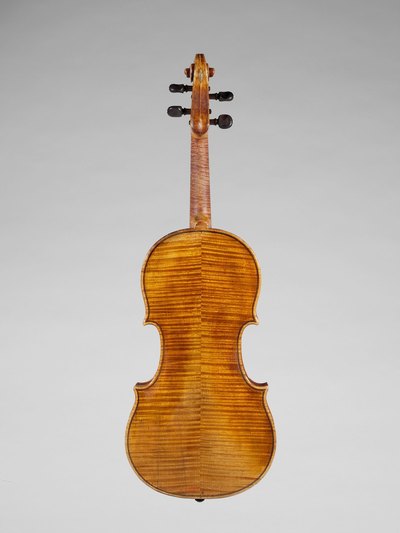 VOL. 10
 When You Need a Lift기운이 필요할 때
This track plays with a membership. Tracks 1 and 2 are open to everyone.About membership
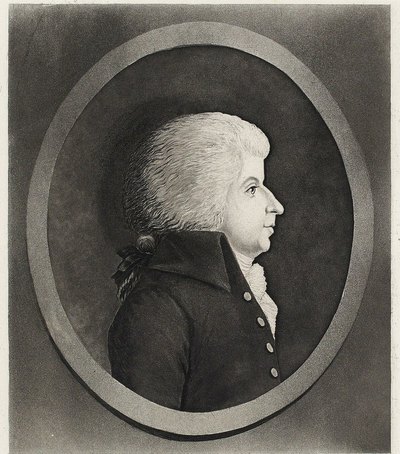 The composer of this pieceWolfgang Amadeus Mozart1756–1791 · born in Salzburg, Austria
About this piece
Most of Mozart's violin concertos end with a rondo, in which a returning theme comes back again and again. But the first concerto is different. It races from start to finish as a very fast Presto.
At a glance
- What it isthe third and last movement of Violin Concerto No. 1, marked Presto, very fast.
- Who, when, whythought to have been written in Salzburg when Mozart was about seventeen.
- What to listen forthe alternation between passages where the solo violin runs in fast notes and passages where the orchestra answers with force.
Listen for
- Setting offthe orchestra opens with a fast, vigorous theme.
- Runningthe solo violin moves between high and low in finely divided fast notes, showing off a young player's fingers.
- The finish linethe theme returns, and orchestra and soloist finish together with force.
When it was written
In the early 1770s Mozart worked in the court orchestra of his hometown, Salzburg, where he served as concertmaster and played the violin. His father Leopold, a musician who had written a well-known violin method, urged his son again and again in letters to practice the violin harder.
The finale of No. 1 is in sonata form: a theme is presented, spread through several keys, then brought back. The finales of the later Concertos Nos. 3, 4 and 5 turned into dance-like rondos, showing that Mozart tried out different approaches within a short time.
A question to think about
His father Leopold repeatedly urged his son to practice the violin more, but Mozart's heart turned more and more to the piano. Parents' expectations and the path a child is drawn to are not always the same.
When what your parents or teachers expect differs from what draws you, how can you talk about it? Who should make that choice?